7 HVAC Tips to Fight Summer Allergens
Turn your HVAC system into your allergy shield this summer in Grand Rapids!
Summertime in Grand Rapids brings sunshine, warm weather, and outdoor adventures. But for many, it also comes with an unwelcome guest—seasonal allergens like pollen, mold, and dust mites. For those with allergies, ensuring clean indoor air quality can make all the difference in enjoying the season comfortably.
Luckily, your HVAC system can be a game-changer when it comes to keeping allergens out of your home. Below, we’ve outlined 7 practical HVAC tips to help you fight allergens and maintain fresh, clean air all summer long.
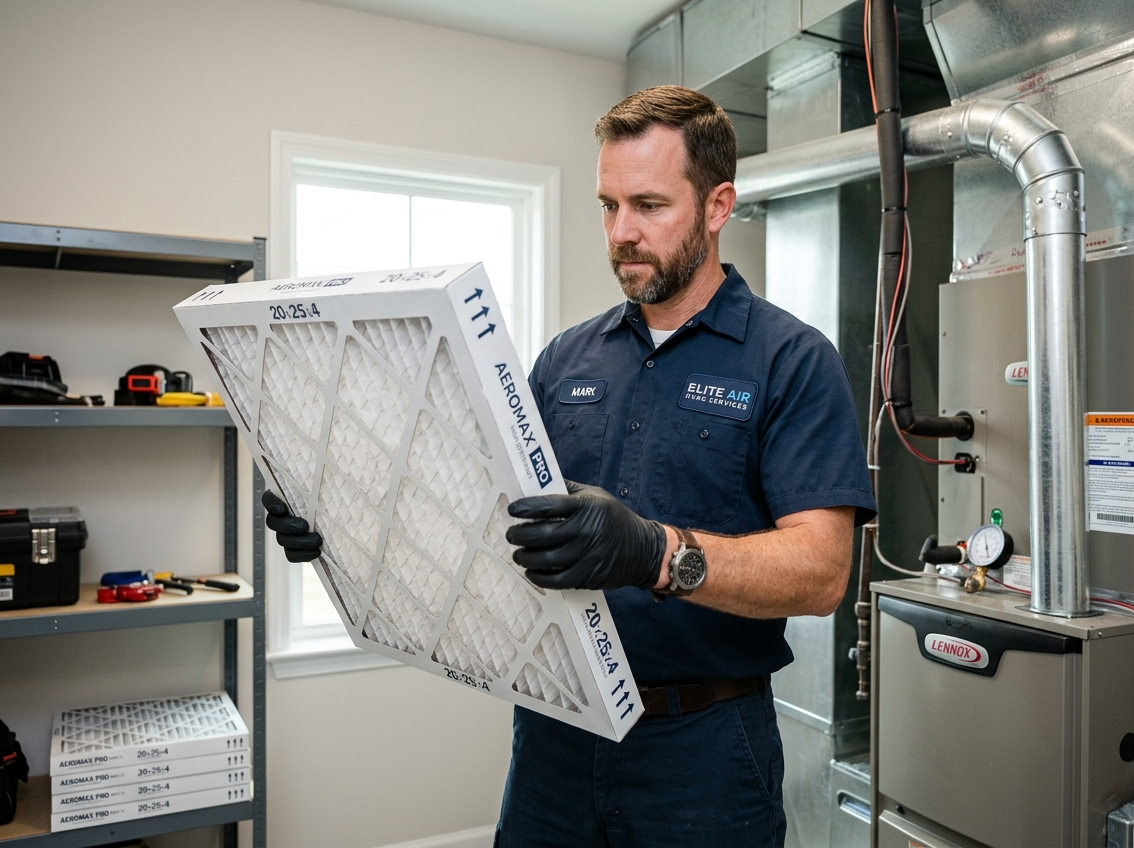
1. Swap Out Your Air Filters on Schedule
Your air filter is your first line of defense, grabbing hold of dust, pollen, pet dander—basically the stuff you don’t want floating around your home. Don’t let a clogged filter steal the spotlight from your hardworking HVAC system. Change them out every 1–3 months, especially when pollen counts soar. If you want to catch smaller particles and boost filtration, go for a higher-MERV filter—it’ll get the job done!
Pro tip: Set a phone reminder or sign up for a filter subscription, so you’re never caught without a fresh one.
2. Get Those Air Ducts Professionally Cleaned
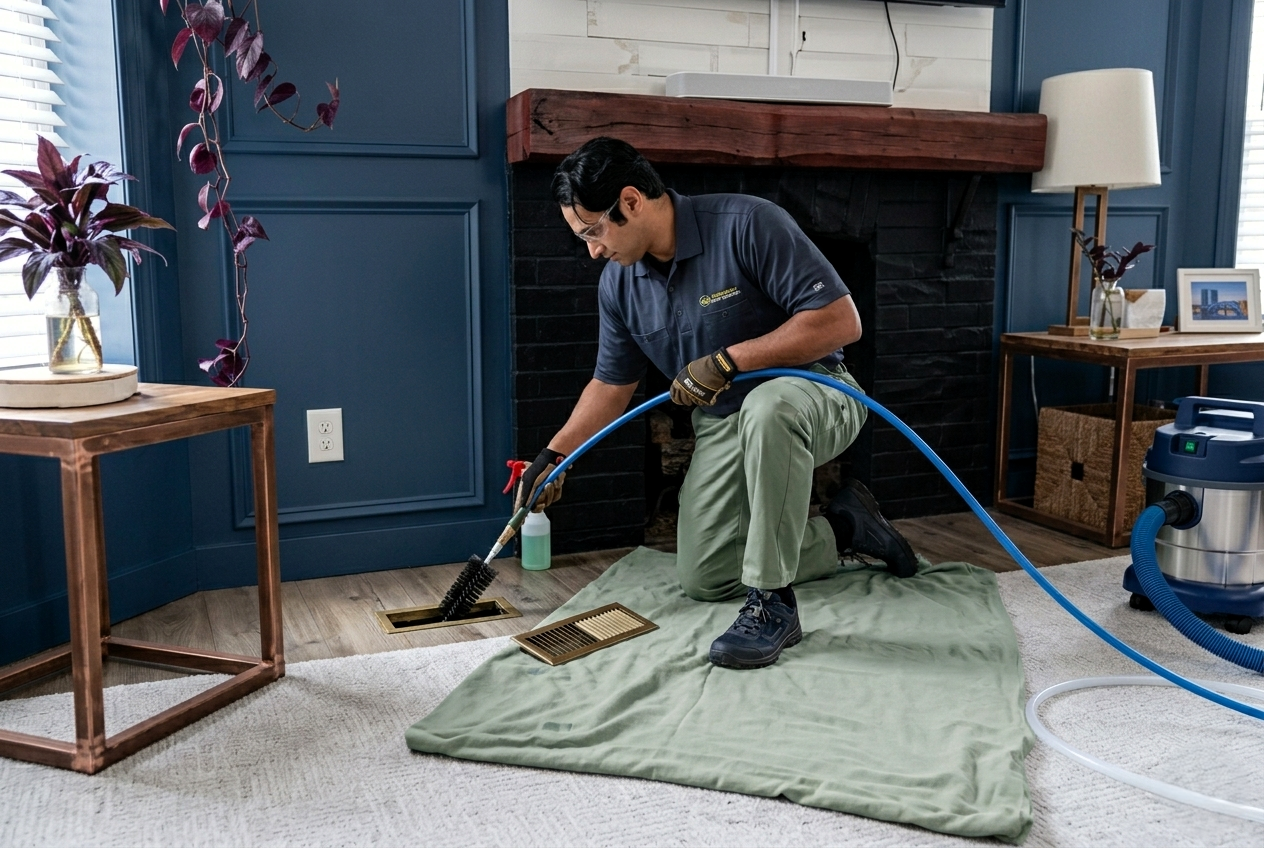
Dust, mold, pollen—yep, they love hanging out in your ductwork. Over time, they build up and get blown into your living spaces whenever the AC kicks on. A professional duct cleaning can clear that all out, improving air quality and helping your system run more efficiently.
Fun fact: Many homeowners in Grand Rapids say they notice a big difference in air quality right after a duct cleaning—especially in older homes.
3. Keep Your Indoor Humidity in Check
Humidity isn’t just about feeling sticky and uncomfortable—it’s also a breeding ground for mold and dust mites, common culprits behind allergies. The ideal indoor humidity level sits comfortably between 30% and 50%—just right for keeping your space cozy and your air fresh. To keep things in check, try using a dehumidifier or adding humidity controls to your HVAC system. Finding that balance not only makes your home more comfortable but also helps keep allergens at bay.
Did you know? Dry air isn’t just uncomfortable—it can actually make your allergies worse by drying out your nose and making it harder to fight off irritants!
4. Upgrade to HEPA or High-MERV Filters
Regular air filters often miss smaller allergens like mold spores or fine pollen, which can be a real headache if you’re dealing with allergies. Upgrading to a HEPA filter or a high-MERV filter could make all the difference—they’re built to catch even the smallest particles and help you breathe easier.
Before making an upgrade, it’s worth chatting with an HVAC expert to ensure your system can handle the added airflow resistance that comes with high-efficiency filters.
Quick Tip: Not every HVAC system works with HEPA filters, but don’t worry—an HVAC pro can help you find other options to boost your air quality!
5. Don’t Forget to Clean Your Vents and Registers
It’s something we don’t always think about, but vents and registers can get pretty gross with dust, pet hair, and allergens if ignored. Take a minute to wipe them down with a damp cloth and run the vacuum around them now and then. And don’t forget to check that they’re not hidden behind furniture or piles of stuff—clear vents mean better airflow and a fresher home!
Quick tip: Add vent cleaning to your regular weekly chores—it’s a simple way to breathe easier.
6. Upgrade to a Smart Thermostat
With a programmable thermostat, you can easily control the temperature and humidity in your home—two key factors that can make a big difference in managing allergens. Set it up to adjust settings based on your schedule so your home stays comfy and allergen growth is kept in check.
Smart thermostats take it a step further by adapting to outdoor conditions—pretty cool, right? For example, one Grand Rapids homeowner programmed her smart thermostat to drop humidity during peak pollen hours and found she had way fewer allergy symptoms indoors.
7. Seal and Insulate Your Ductwork
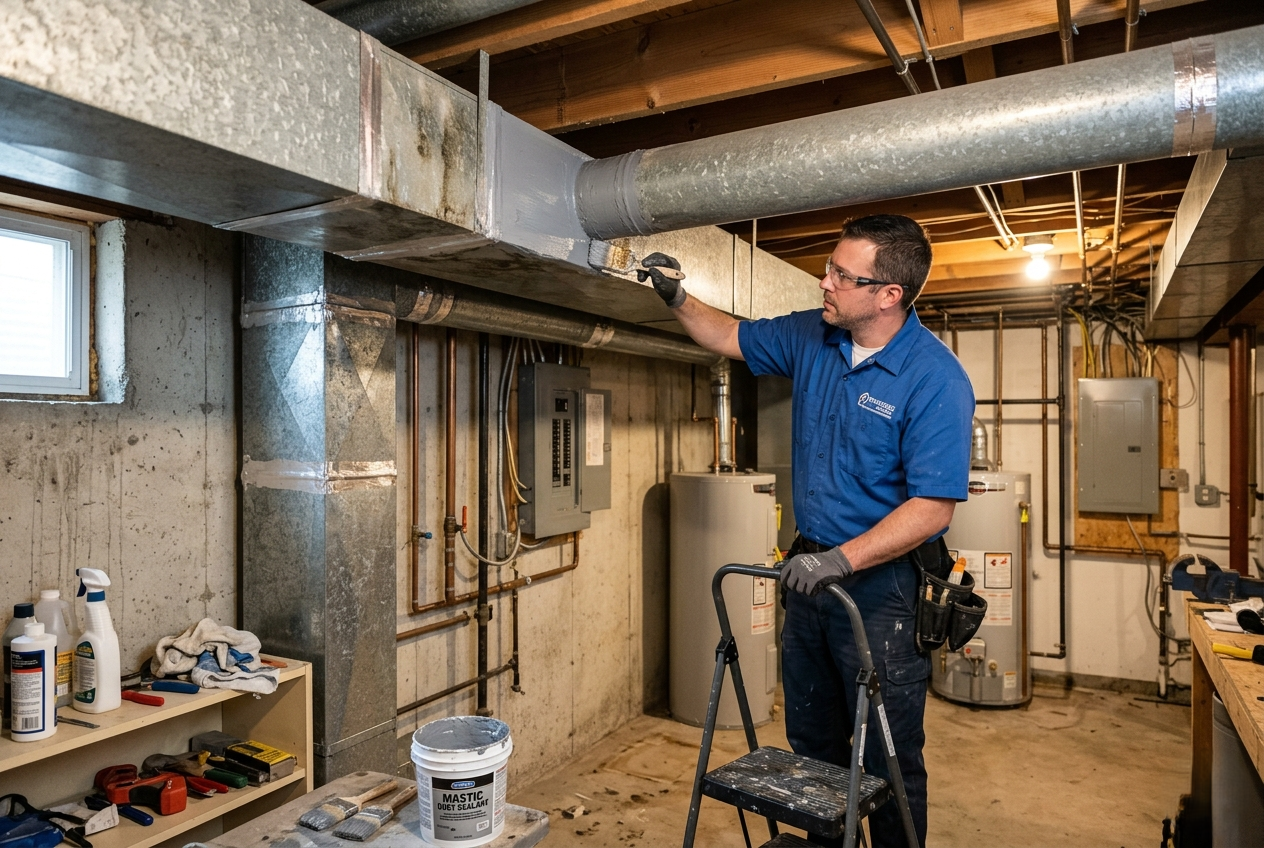
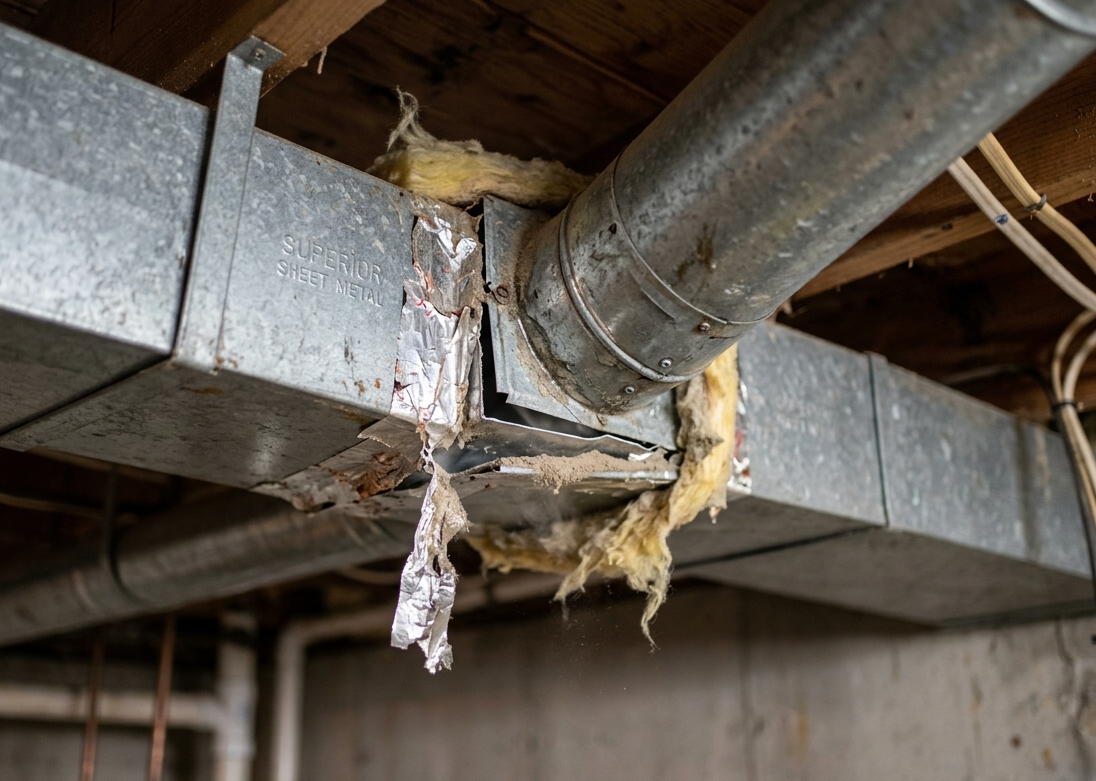
Leaky ducts don’t just waste energy—they can also pull in dust, pollen, and other unwanted particles from places like basements or attics. When that air circulates through your home, your indoor air quality takes a hit.
By sealing and insulating your ducts, you can keep pesky allergens at bay while helping your system run smoothly and efficiently. Plus, you’ll save on energy bills—win-win!
Did you know? Did you know that 20–30% of the air in the average home escapes through leaky ducts? That’s like throwing money—and energy—right out the window!
Take Charge of Allergens This Summer
Don’t let seasonal allergies put a damper on your summer in Grand Rapids. With these 7 HVAC tips, you can breathe easier, enjoy cleaner indoor air, and keep your home feeling fresh and comfortable. Whether it’s swapping filters, upgrading your system, or scheduling that much-needed duct cleaning, every step counts.
Ready to get started?
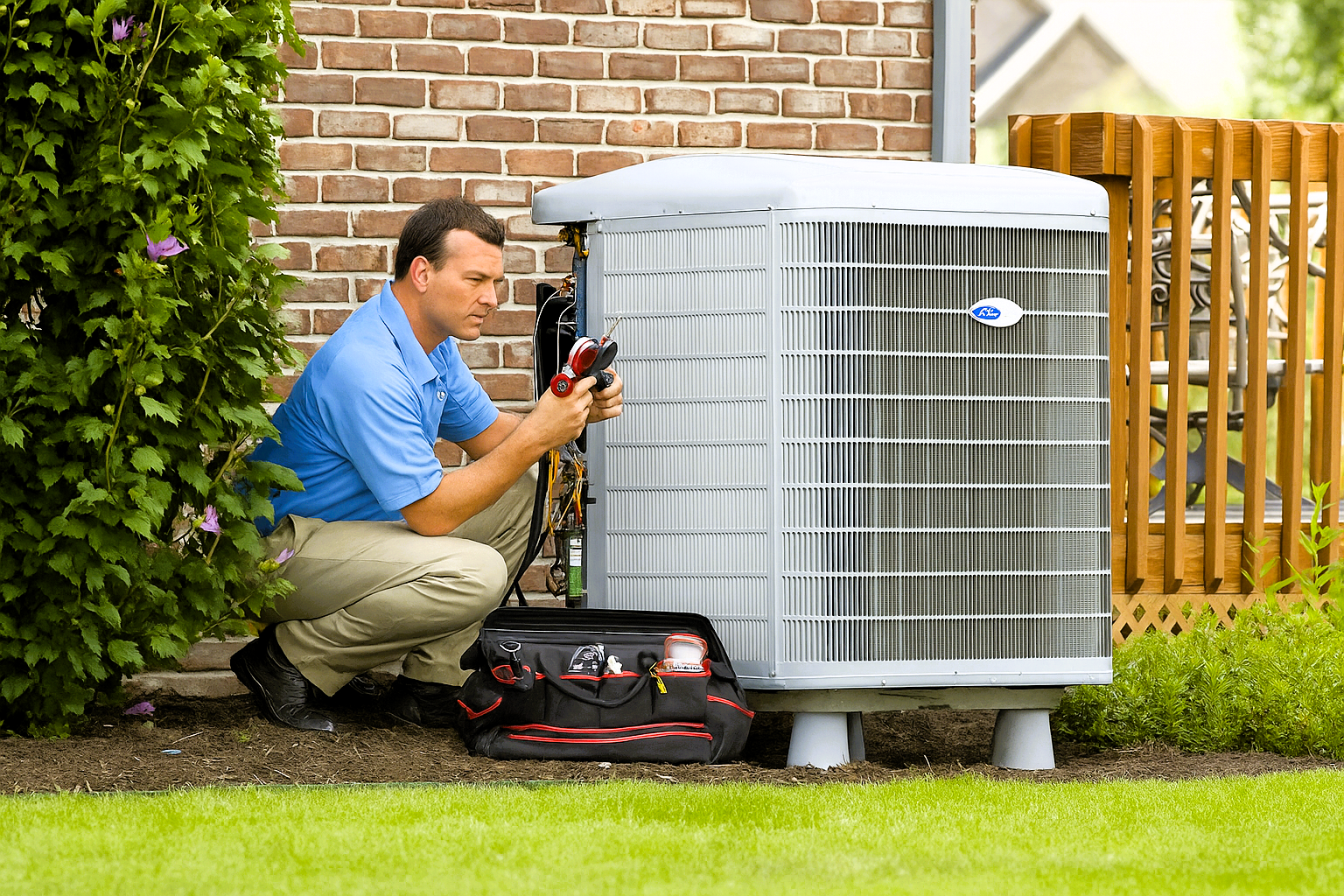
Contact Grand Rapids Duct Cleaners today to schedule your air duct cleaning or HVAC system checkup. Here’s to a summer of easier breathing and fewer allergy flare-ups!
You might also like