Air Duct Cleaning Scams: How to Spot a Blow-and-Go Company
You see an ad offering to clean all the air ducts in your house for $79.
It sounds like a great deal.
Then the technician arrives and suddenly your house has “toxic mold.” The $79 cleaning becomes $800, $1,200 or more.
Or maybe the price stays low—but the technician spends less than an hour vacuuming around your registers and leaves without actually cleaning most of the HVAC system.
These are variations of what's commonly called “blow-and-go” duct cleaning.
Unfortunately, scams and inadequate work are a real problem in the air duct cleaning industry. NADCA, the National Air Duct Cleaners Association, has repeatedly warned consumers about companies using extremely low prices, bait-and-switch tactics, false mold claims and even fraudulent claims of NADCA membership.
That doesn't mean every inexpensive duct-cleaning offer is a scam.
It does mean you should know exactly what you're buying before letting someone work on your HVAC system.
Here's how.
What Is “Blow-and-Go” Air Duct Cleaning?
“Blow-and-go” is an industry term for inadequate air duct cleaning in which a company does little meaningful cleaning before quickly moving on to the next job.
Sometimes it's connected to a bait-and-switch sales strategy.
A company advertises an extremely cheap “whole-house” duct cleaning to get inside the home. Once there, the customer may be told that the advertised service doesn't cover what actually needs to be cleaned—or that expensive additional problems have suddenly been discovered.
Other times, the customer receives exactly the inexpensive service advertised.
The problem is that very little gets cleaned.
A technician might vacuum around registers or blow air into easily accessible ductwork without properly cleaning the rest of the system.
That's very different from a thorough HVAC-system cleaning.
How a Proper Air Duct Cleaning Works
Understanding the scam is easier when you understand the real service.
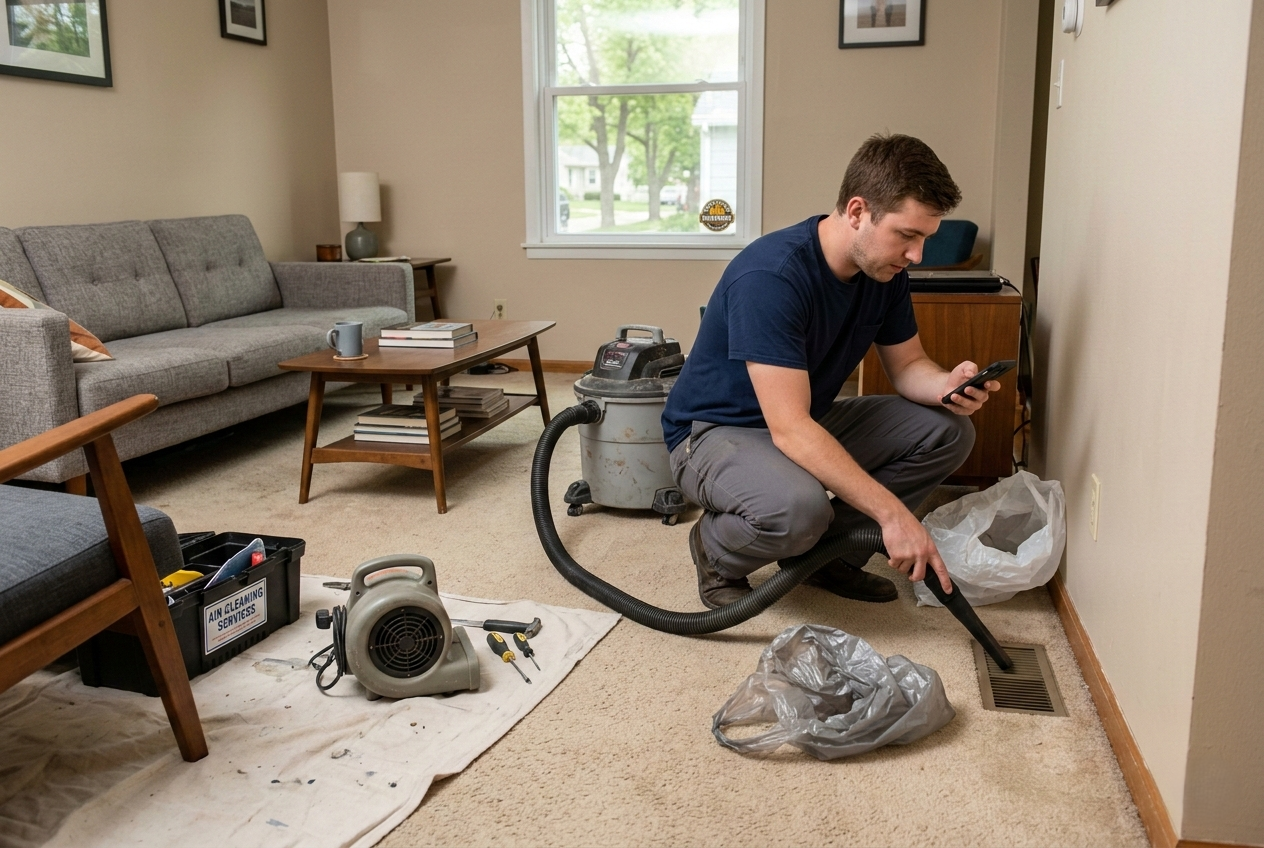
Professional air duct cleaning isn't simply sticking a vacuum hose into a few vents.
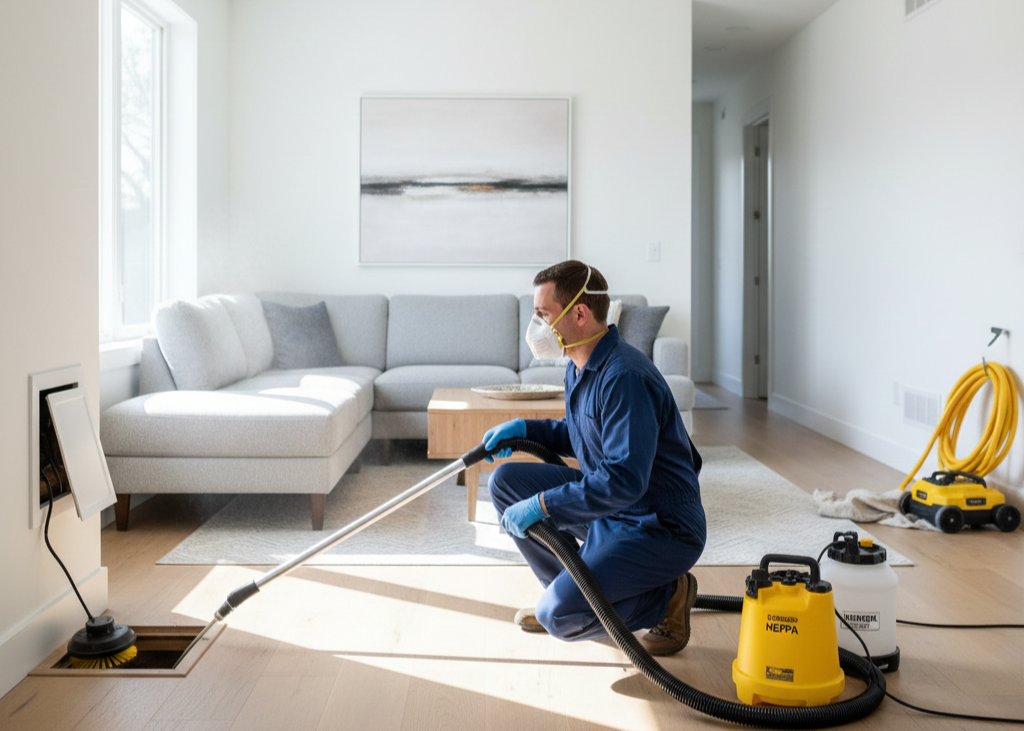
A thorough cleaning generally involves putting the HVAC system under negative pressure with powerful vacuum equipment while contaminants are loosened from surfaces and collected.
Depending on the system and scope of service, cleaning can involve:
- Supply ductwork
- Return ductwork
- Registers and grilles
- Main trunk lines
- Return drops
- Plenums
- Blower components
- Other accessible HVAC components
The company should be able to tell you exactly what it intends to clean before the work begins.
[READ AIR DUCT CLEANING 101 →]
8 Warning Signs of an Air Duct Cleaning Scam
No single warning sign proves that a company is dishonest.
But several of these together should make you slow down and ask more questions.
1. An Extremely Cheap “Whole-House” Special
A very low advertised price is one of the most recognizable warning signs.
NADCA specifically warns consumers to be cautious about rock-bottom “whole-house air duct cleaning” offers.
Why?
Because properly cleaning an HVAC system requires technicians, equipment and time.
If a company is promising to clean an entire system for an unusually low price, find out exactly what the advertised price includes.
It may cover only a limited number of vents. It may exclude the return side. It may exclude main trunk lines or HVAC components.
Or it may simply be the price used to get someone through your door.
Ask this before booking:
“What is the total price, and exactly what parts of my HVAC system are included?”
2. The Price Changes Dramatically After the Technician Arrives
Not every price adjustment is dishonest.
A contractor can encounter legitimate conditions that weren't apparent before inspecting the system.
But a dramatic increase from an advertised bargain price should come with a clear explanation.
For example:
Advertised price: $79
Price after arrival: $1,200
Before agreeing to additional work, ask:
- What changed?
- What specifically was discovered?
- Can you show me the problem?
- Why wasn't this included in the original service?
- What additional work are you proposing?
- What will it cost?
Don't let urgency prevent you from asking questions.
If you're uncomfortable with the explanation, you can get another opinion before authorizing additional work.
3. You're Suddenly Told You Have Dangerous Mold
This is one of the biggest reasons to be cautious.
You hire someone to clean your ducts and shortly after arriving they announce that they've discovered dangerous or “toxic” mold.
Then you're told you need an expensive treatment immediately.
Don't panic.
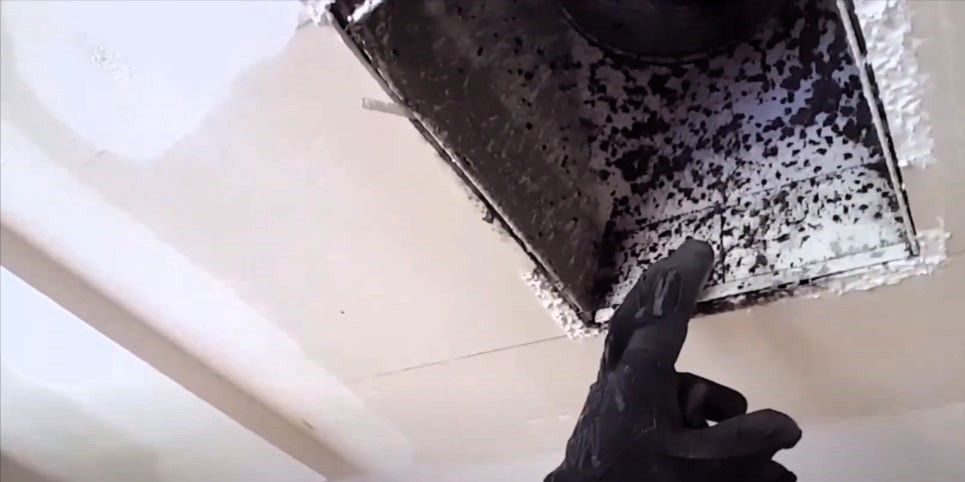
Something that looks like mold isn't necessarily mold, and determining exactly what type of biological growth is present may require further evaluation.
EPA specifically recommends asking a service provider to show you the suspected contamination rather than simply accepting the claim.
If a contractor tells you that you have mold:
Ask to see it.
Then ask:
- Where is it?
- How was it identified?
- Is there a moisture problem causing it?
- What treatment are you proposing?
- What product would be used?
- Why is that treatment necessary?
Be especially cautious if the discovery is immediately followed by pressure to purchase an expensive chemical treatment.
4. The Technician Uses Fear to Get an Immediate Yes
“Your family is breathing this.”
“This could make everyone sick.”
“You need to treat this today.”
Those statements are designed to make it difficult to think clearly.
EPA specifically cautions consumers against duct cleaners making sweeping claims about the health benefits of duct cleaning.
Air duct cleaning can remove accumulated material from a contaminated HVAC system.
That's different from claiming that duct cleaning will prevent illness, cure allergies or solve unexplained medical symptoms.
A legitimate contractor should be able to explain what was found without frightening you into making an immediate purchase.
5. They Can't Clearly Explain What They're Going to Clean
Ask a simple question:
“What exactly is included?”
You should get a specific answer.
If the explanation consists primarily of:
“We clean all your vents,”
ask what that means.
Does the service include:
- Individual supply runs?
- Return ducts?
- Main trunk lines?
- Return drops?
- Plenums?
- Blower compartment?
- Registers and grilles?
Different companies may offer different scopes of work, and not every job necessarily requires exactly the same service.
What's important is that you know what you're paying for.
6. The “Whole-House Cleaning” Is Finished Suspiciously Fast
There's no universal number of hours that every duct-cleaning job must take.
A small house and a large house aren't the same.
But properly accessing and cleaning an entire HVAC system takes time.
If someone claims to have thoroughly cleaned a substantial system after spending only a very short time in the home, it's reasonable to ask what was actually cleaned.
Don't judge the work solely by the clock.
Judge it by the scope and results.
7. They Can't Show You the Results
Much of your ductwork is hidden.
That makes it easy for poor-quality contractors to claim they cleaned areas you can't see.
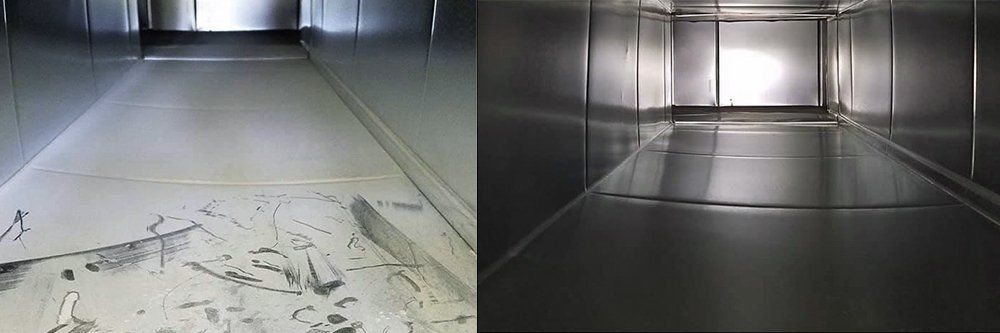
Before-and-after photographs are useful because they allow you to see conditions inside inaccessible parts of the system.
EPA says a thorough visual inspection is one of the best ways to verify the cleanliness of the HVAC system after the job.
Ask:
“Can you show me what the ducts looked like before and after?”
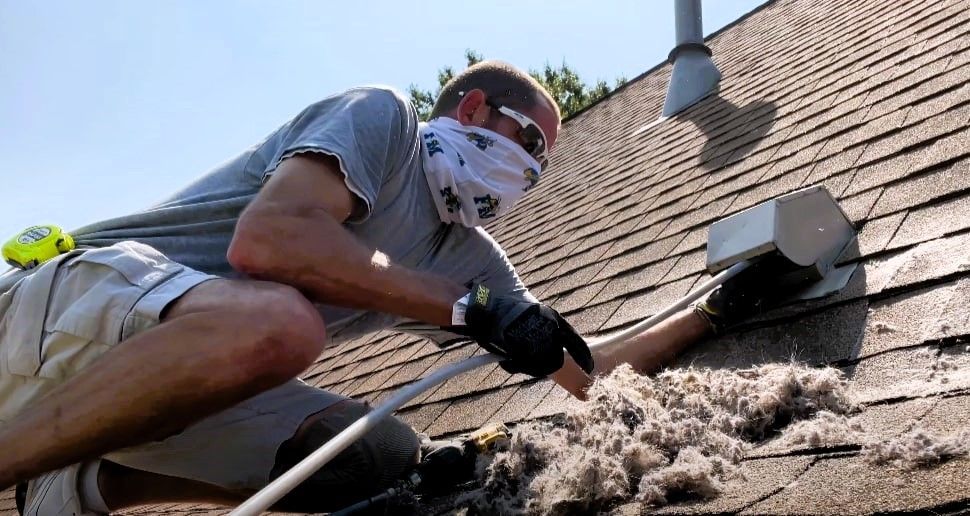
A pile of lint sitting next to a vacuum isn't proof that your entire system was cleaned.
8. Certification or Membership Claims Can't Be Verified
Logos aren't proof.
NADCA has warned that some companies falsely advertise NADCA membership or certification and has documented unauthorized use of its name and logo.
If a contractor claims to be a NADCA member, you can verify the company through NADCA rather than relying solely on a logo on a website, truck or advertisement.
You can also ask about:
- State licensing
- Insurance
- Technician training
- How long the company has been operating
- Who will actually perform the work
If a company claims a credential, it should be able to tell you exactly what that credential is.
Is Every Cheap Air Duct Cleaning Offer a Scam?
No.
Price alone doesn't prove anything.
A company may run a legitimate promotion, offer a limited service or discount work under certain circumstances.
The key is scope.
Suppose Company A charges $99 to clean five accessible vents and clearly tells you that's what you're purchasing.
Company B advertises a $99 “complete whole-house cleaning,” then tells you after arrival that cleaning the actual duct system costs another $900.
Those are very different situations.
Rather than asking only:
“How much does duct cleaning cost?”
ask:
“What exactly am I getting for that price?”
What Should a Duct Cleaning Estimate Tell You?
Before work begins, you should understand:
- What parts of the system will be cleaned
- What cleaning method will be used
- What the quoted price includes
- Whether there are potential additional charges
- How those additional charges would be authorized
- Approximately how long the work is expected to take
EPA recommends getting a written agreement outlining the total cost and scope of the job before work begins.
That protects both you and the contractor.
Be Careful With Chemical Treatments and “Sanitizers”
A chemical upsell deserves its own discussion.
You may be offered:
- Sanitizers
- Disinfectants
- Biocides
- Deodorizers
- Sealants
- Mold treatments
That doesn't automatically make the treatment illegitimate.
But don't authorize a chemical application simply because someone tells you that “every duct system needs it.”
Ask:
What is the product?
Why is it necessary in my system?
Where will it be applied?
Is it approved and labeled for that particular use?
What precautions are required?
EPA recommends that homeowners fully understand the advantages and disadvantages before permitting chemical biocides or sealants to be applied inside ductwork.
Physical cleaning and chemical treatment are not the same thing.
Spraying something into dirty ductwork isn't a substitute for removing accumulated debris.
Questions to Ask Before Hiring an Air Duct Cleaner
You can eliminate a lot of uncertainty with a short conversation before booking.
Ask:
What exactly does your service include?
You want specifics, not simply “whole-house cleaning.”
How will you clean the system?
The contractor should be able to explain the equipment and process in understandable terms.
Will you clean both the supply and return sides?
Don't assume.
Will the system be placed under negative pressure?
Ask how loosened material will be captured and kept from entering your living space.
How long do you expect the job to take?
The answer will vary based on the house, but the contractor should be able to give you a reasonable expectation.
Are there circumstances that could increase the quoted price?
Find out before the technician arrives.
Will you show me before-and-after photos?
This gives you a way to verify the work.
Are your technicians employees or subcontractors?
Know who will actually be entering your home.
What licenses or certifications do you hold?
Then verify important credentials rather than simply accepting the claim.
How to Verify a NADCA Claim
If a company says it's a NADCA member, don't stop at seeing the logo.
NADCA maintains a directory that consumers can use to verify member companies.
NADCA requires member companies to have at least one employee who holds its Air Systems Cleaning Specialist (ASCS) certification and maintains that certification through continuing education.
That doesn't mean NADCA membership is the only factor you should consider when hiring a company.
But if a company claims NADCA membership or certification, the claim should be verifiable.
If you're hiring a duct cleaning company in Michigan, licensing is another credential worth checking. Michigan LARA requires an appropriate mechanical contractor license for contractors performing work that involves servicing ductwork.
Ask the company about its license and verify the credential through the state's license system rather than relying solely on a claim made in an advertisement or on a website.
What We Do Differently
At Grand Rapids' Duct Cleaners, we've been cleaning air ducts in West Michigan for more than 20 years.
We use our own trained technicians rather than subcontracting duct-cleaning jobs.
Our process includes:
- Protecting floors and corners before work begins
- Connecting industry-specific vacuum equipment
- Putting the supply and return sides under negative pressure
- Cleaning individual supply registers and runs
- Cleaning return grilles, shafts and drops
- Cleaning main trunk lines
- Cleaning plenums
- Cleaning the furnace boot/drop and filter box
- Cleaning the blower motor and blower compartment
- Properly closing access points after cleaning
- Taking before-and-after photographs
That allows you to see what was actually inside your system and what it looks like after cleaning.
[SEE HOW WE CLEAN AIR DUCTS →]
What If You're Not Sure Your Ducts Need Cleaning?
Ask.
A reputable duct cleaner should be willing to discuss what you're seeing and why you're considering cleaning.
Remember that some dust inside an HVAC system is normal.
EPA does not recommend routine duct cleaning for every home simply because a certain number of years have passed.
There are stronger reasons to consider cleaning when you have conditions such as substantial debris, pest contamination or other significant contamination within the system.
[READ AIR DUCT CLEANING 101 →]
The goal shouldn't be to convince every homeowner to buy duct cleaning.
It should be to determine whether there's a problem worth addressing—and then clean the system properly when there is.
Think You've Encountered an Air Duct Cleaning Scam?
If a contractor is already in your home and suddenly presents you with an expensive problem you weren't expecting, you don't have to make an immediate decision.
Ask to see the problem.
Ask for the proposed work and price in writing.
Verify any certification claims.
And if you're still uncomfortable, consider getting another opinion before authorizing additional work.
Looking for an Air Duct Cleaner in Grand Rapids?
We have provided professional air duct cleaning throughout West Michigan for more than 20 years.
Our technicians clean the HVAC system using professional vacuum and agitation equipment, and we provide before-and-after photographs so you can see the results.
No mystery service. No subcontracted duct-cleaning crew.
Just a clear explanation of the work being performed.
Call 616-208-4445
[AIR DUCT CLEANING IN GRAND RAPIDS →]
Your Grand Rapids Duct Cleaners
Serving Grand Rapids and surrounding West Michigan communities

Grand Rapids Duct Cleaners
You might also like