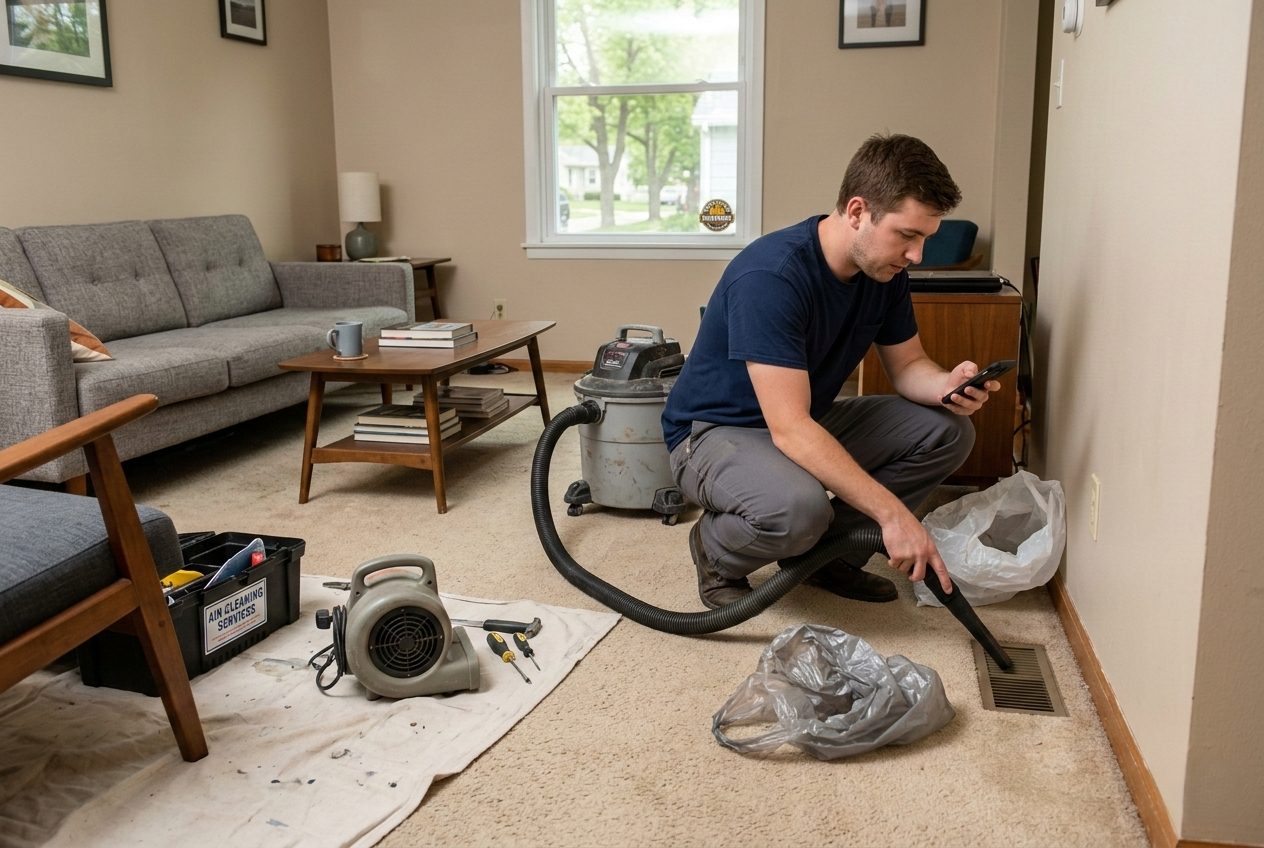
How to Control Dust When Renovating Your Home in West Michigan

Renovating your home in Grand Rapids is exciting. From modernizing a kitchen to creating a new bathroom or refreshing your living room, a renovation can completely elevate both your home and your daily living experience. But there’s one thing most homeowners don’t talk about enough: dust.
Dust from renovations isn’t just annoying—it can trigger allergies, make asthma flare up, and sneak into your HVAC system, spreading throughout your home. The good news? With a little planning, you can keep dust under control, and a post-renovation air duct cleaning in Grand Rapids will make sure your indoor air stays fresh and healthy.
Why Dust Control Matters During Home Renovations
Dust from remodeling can settle on furniture, floors, and walls—but it also travels through your home via your HVAC system. Seasonal conditions in West Michigan can make dust problems worse:
- Dry, cold winters: Heating systems can spread dust particles from renovation zones into living areas.
- Humid summers: Moisture can cause dust to stick to surfaces or accumulate in air ducts, reducing HVAC efficiency.
Keeping dust under control protects your family’s health, minimizes cleanup, and helps maintain your HVAC system.
Common Sources of Dust During Renovations
Identifying where dust comes from allows you to prevent its spread. Typical sources include:
- Sawdust and wood debris from cutting, sanding, or drilling
- Drywall dust from removing or installing walls
- Insulation particles from attic or wall updates
- Flooring debris from hardwood, tile, or carpet installation
Even smaller projects, such as installing trim or cabinets, release fine dust that can settle in your ducts or circulate through your home. For homeowners in Kentwood, Wyoming, Grandville, or Ada, this can affect central living areas if not properly managed.
Practical Ways to Minimize Dust
Here are actionable strategies to control dust during renovations:
1. Install Dust Barriers
Use plastic sheets or “zip-walls” to seal off the renovation area. Cover doorways, vents, and openings with the sheets to stop dust from traveling into other parts of your home.
- Especially helpful in downtown Grand Rapids condos, Kentwood homes, or open layouts in Ada.
- Ensure the barrier reaches the floor to block dust escape.
2. Use Sticky Mats
Sticky mats placed at entrances capture dust from shoes and tools before it spreads further.
- For open-concept homes, place mats at multiple entry points.
- Replace mats regularly for consistent effectiveness.
3. Utilize Dust Extractors on Power Tools
Saws, sanders, and other tools generate the majority of airborne dust during remodeling. Modern dust extractors capture particles at the source, reducing cleanup and protecting your HVAC system.
- Renting or investing in these tools is worthwhile for any project.
- Even small attachments can significantly reduce dust circulation.
4. Protect Your HVAC System
Dust can travel through your heating and cooling system, so take steps to prevent contamination:
- Turn off your HVAC to keep dust from spreading.
- Cover vents in the renovation area.
- Use air purifiers to capture airborne dust.
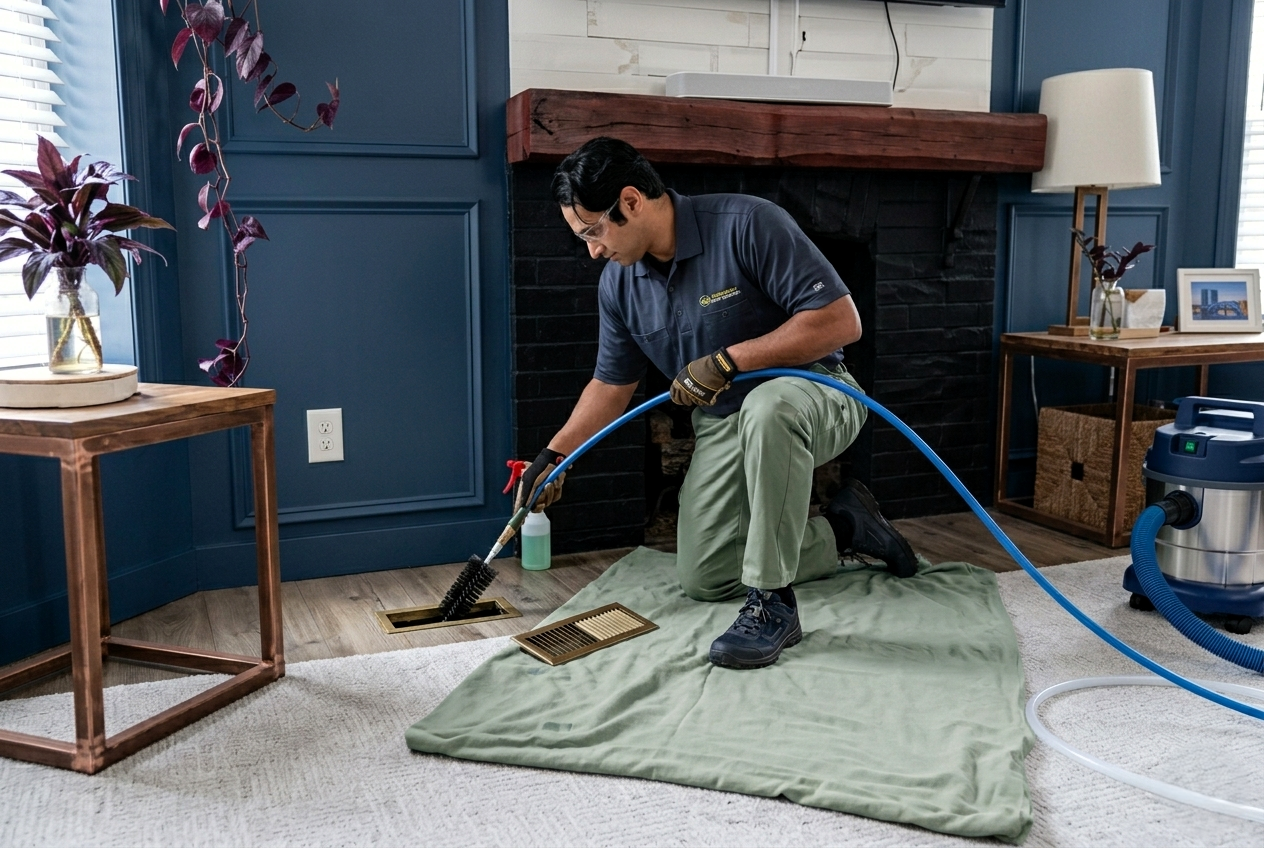
Once your renovation is complete, scheduling professional air duct cleaning in Grand Rapids helps remove leftover dust and debris, and pairing it with HVAC system inspections ensures your system runs smoothly and maintains healthy indoor air.
Additional Tips for Homeowners in West Michigan
- Plan renovations during lower-dust seasons: Winter and early spring generally have less pollen, though dry indoor air can increase dust spread.
- Protect floors and furniture: Use drop cloths, cardboard, or plastic coverings to reduce cleanup.
- Vacuum frequently: A HEPA-filter vacuum captures fine dust before it settles.
- Check your dryer vent: Dust can accumulate in vents during remodeling. Keep your dryer safe and efficient with dryer vent cleaning.
When to Call a Professional
Even with DIY precautions, professional help is recommended in these cases:
- After major renovations, like kitchens or bathrooms
- If dust continues circulating through your HVAC system
- If anyone in your home has respiratory conditions
- To ensure ducts, vents, and HVAC systems are fully cleaned and operating efficiently
Professional services in Grand Rapids, Wyoming, Kentwood, Grandville, and Ada can quickly restore your home’s indoor air quality.
Conclusion
Home renovations don’t have to mean living in a cloud of dust. By using dust barriers, sticky mats, dust-extracting tools, and protecting your HVAC system, homeowners can keep their homes cleaner, safer, and more comfortable during remodeling projects.
Once your renovation is complete, scheduling professional air duct cleaning and HVAC system inspections in Grand Rapids and the surrounding areas helps remove residual dust and allergens, improves indoor air quality, and ensures your system operates efficiently for years to come.
If you’re located in Wyoming, MI, check out our full air duct cleaning services in Wyoming to see how we can help maintain a healthy home environment.
Don’t let dust from renovations compromise your indoor air quality. Keep your home safe from renovation dust—contact us to arrange air duct cleaning or dryer vent services and maintain healthy air for your family.
Homeowner FAQ: How to Keep Your Home Dust-Free During Renovations
Q: When is the right time to have my air ducts cleaned after renovating my home?
A: Most homeowners benefit from professional cleaning immediately after major projects, then every 1–3 years depending on usage and local conditions.
Q: Can sticky mats really reduce dust in my home?
A: Yes. They trap debris from shoes before it spreads, especially in busy households in Kentwood or downtown Grand Rapids.
Q: Are dust extractors worth it?
A: Yes! These tools prevent dust from spreading, protecting both your living space and your heating and cooling system.
Q: Should I cover vents during renovations?
A: Definitely. It keeps dust out of your HVAC system.
Q: Does dryer vent cleaning help after remodeling?
A: Yes. Dust can build up and reduce efficiency or increase fire risk. Schedule cleaning after big projects.
You might also like