What Every Homeowner Should Know About Dryer Vents on the Roof
Why roof dryer vents need more maintenance than you think
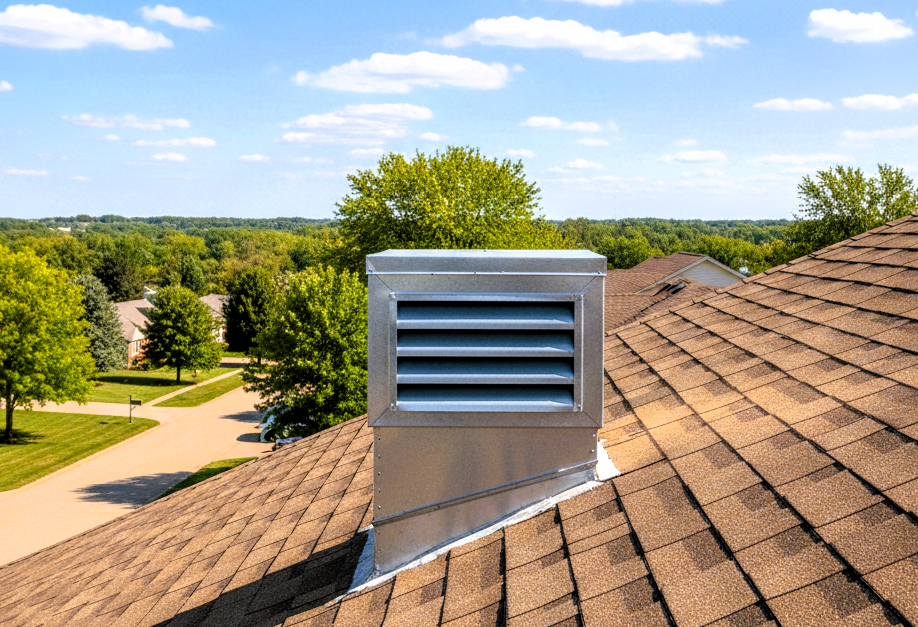
If you’re like most homeowners, your dryer is one of those appliances you hardly ever think about—until it starts acting up. Your dryer used to get the job done fast, but now it seems to run forever — and the laundry room feels unusually hot and stuffy. You might even start wondering if it’s time for a new dryer. But here’s the thing: the problem often isn’t the machine at all. It’s the dryer vent—especially if it exits through your roof.
Here in Grand Rapids, where we deal with everything from heavy snow to freezing temps and spring rain, roof-mounted dryer vents need a little extra care. Understanding how they work (and what can go wrong) can save you from costly repairs, safety risks, and those frustratingly long laundry days.
Let’s break it down.
What Your Dryer Vent Actually Does
Every time you run your dryer, it pulls in air, heats it, and pushes that warm, moist air—along with lint—out of your home. The vent’s job is simple but essential: move all that air safely outdoors so your clothes dry fast and your home stays cool and dry.
When the vent runs up through the roof, the air has to travel vertically—often through an attic—before escaping outside. That upward climb makes it easier for lint to collect inside the duct, which restricts airflow and forces your dryer to work harder.
Why Some Homes Have Roof Dryer Vents
Ever wonder why your builder decided to vent your dryer through the roof instead of a wall? There are a few common reasons:
- The laundry room is on an upper floor, far from an exterior wall
- The builder wanted a cleaner look outside (no visible wall vents)
- The home’s design simply didn’t allow for a side-wall vent
There’s nothing wrong with this setup—it just means your vent needs a little more TLC to keep things running smoothly.
The Pros and Cons of Roof Dryer Vents
The Upside
- Design flexibility: Builders can place laundry rooms almost anywhere.
- Clean look: No vent hood sticking out from your siding.
The Downside
- Harder airflow: Vertical runs make lint buildup more likely.
- Tough to clean: Roof access isn’t exactly a DIY-friendly job.
- Cold weather problems: Warm air passing through a freezing attic can lead to condensation—or even mold.
- Fire risk: Lint clogs can trap heat and create dangerous conditions.
So, while roof vents aren’t inherently bad, they do need more frequent inspections and cleanings than side-wall vents.
How to Tell When Your Roof Dryer Vent Needs Attention
Before things get serious, most vent issues show up as little annoyances. Keep an eye (and ear) out for these signs:
- Clothes take longer than usual to dry
- The dryer feels unusually hot after a cycle
- You smell something musty—or slightly burnt—near the machine
- You notice lint buildup around the vent cap
- There are damp spots or stains on the ceiling below the vent
If any of these sound familiar, it’s probably time to have your vent cleaned or inspected by a professional.
Why Roof Vents Are Trickier in Grand Rapids
Michigan weather is beautiful—but tough. Snow and ice can block roof vents, and freezing temperatures can cause moisture from warm exhaust air to solidify inside the duct. When that happens, airflow slows down, lint builds up faster, and your dryer efficiency tanks.
Then, when things thaw out, that melted ice can seep into your attic or ceiling if the vent isn’t properly sealed. It’s a reminder that keeping up with routine inspections can save local homeowners a lot of trouble down the road.
Maintenance Tips for Roof Dryer Vents
A little prevention goes a long way when your dryer vent exits through the roof. Here’s how to stay ahead of problems:
- Schedule professional cleanings once a year. Roof vents are tough to reach and require specialized tools.
- Use rigid metal ducting. Avoid flexible foil or plastic—they trap lint and can be fire hazards.
- Check the vent cap. When storms roll through, it’s worth checking that your roof vent cap hasn’t been covered or clogged by snow or debris.
- Be sure the vent line is well-sealed and insulated — it’ll stop warm air from condensing inside the duct and protect your attic from unwanted moisture.
- Inspect after any roof work. Contractors can accidentally loosen ducts during repairs.
When It Might Be Time to Reroute
If your roof vent keeps causing headaches—slow drying times, leaks, constant lint issues—it might be worth asking a professional about rerouting it to a side wall.
Side-wall vents are shorter, easier to access, and less affected by ice and snow. It might take a bit of work up front, but rerouting your vent can pay off by reducing both maintenance and long-term expenses.
Call the Local Experts: Grand Rapids Duct Cleaners
Not sure when your dryer vent was last cleaned—or whether it’s even safe to use? You’re not alone. Roof vents are easy to forget about until they start causing real problems.
At Grand Rapids Duct Cleaners, we specialize in dryer vent cleaning and inspection, including roof-mounted systems. Our team uses professional equipment to remove lint buildup, check for leaks, and make sure your dryer vent system is running safely and efficiently.
Michigan weather can be tough on your home — but we make maintenance easy. Trust Grand Rapids Duct Cleaners to keep your dryer vent clear, your system efficient, and your home protected year-round.
Call today to schedule your professional cleaning.
You might also like