Is There Mold in Your Ducts? The Most Common Types and How to Spot Them
Which mold types are commonly found in your air ducts?
Have you ever sniffed something musty every time your heating or cooling system fires up? Or maybe your allergies start flaring up the moment you walk through the door? If that sounds familiar, your air ducts might be the sneaky culprit.
Most homeowners never think twice about what’s happening inside their ductwork. But here in Grand Rapids, where humidity and older homes go hand in hand, mold can quietly settle in and make itself at home.
Let’s break down what types of mold commonly grow in air ducts—and what you can do to keep your air (and your family) healthy.
Why Mold Loves Hanging Out in Air Ducts
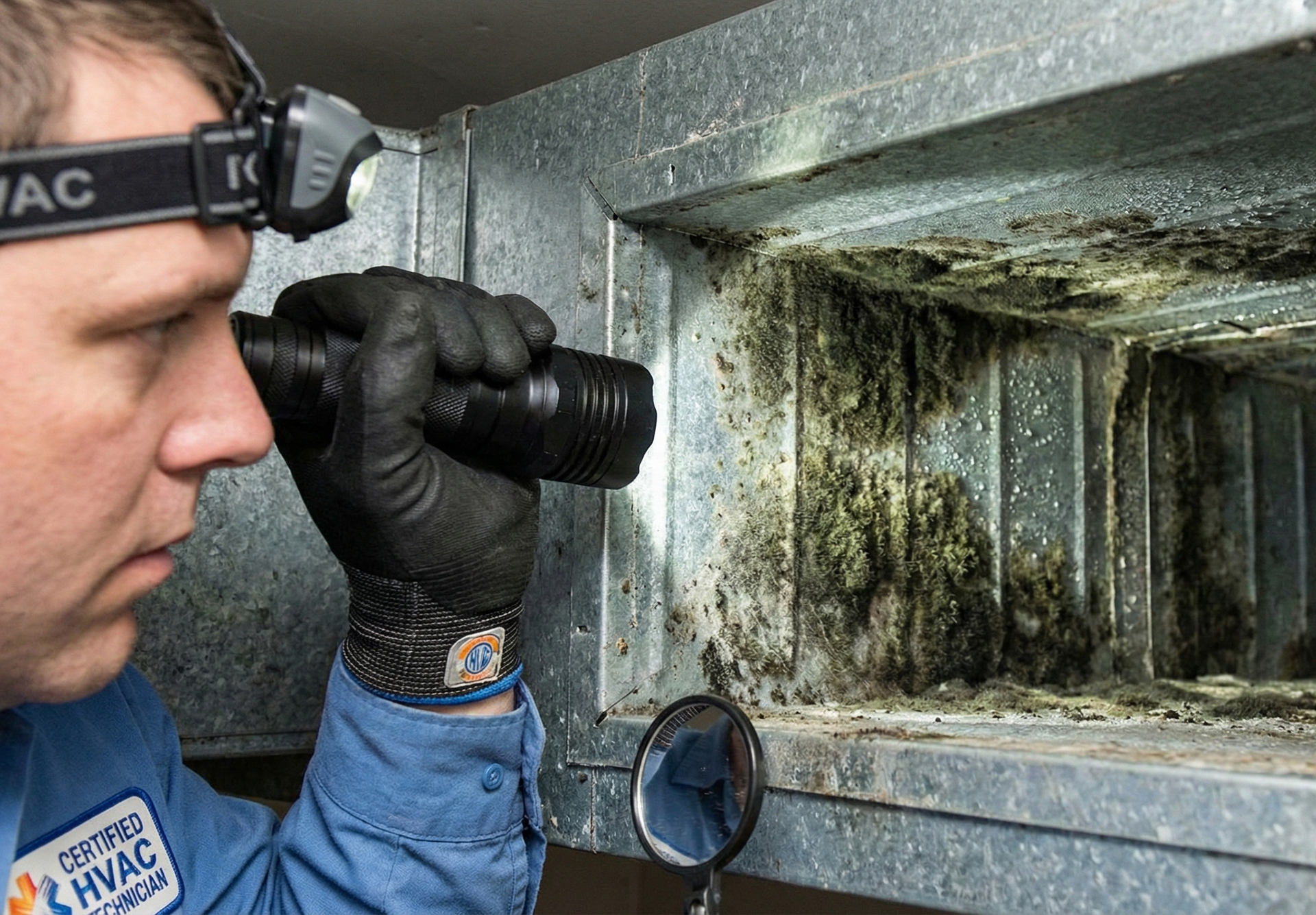
Air ducts might look like plain metal tunnels, but to mold, they’re luxury condos. Think about it—dark, damp, and full of dust. Even if your house doesn’t feel humid, condensation from your HVAC system or a tiny leak can create just enough moisture for mold to thrive.
Once it starts growing, mold doesn’t just stay hidden. Every time the system kicks on, it sends microscopic spores floating through your home. Those can trigger sneezing, coughing, or even asthma attacks, especially if someone in your family has allergies.
Common Mold Types That Hide in Air Ducts
Not all mold is the same—some types are harmless-looking but irritating, while others can cause bigger health problems. These are the mold types that homeowners frequently discover inside their ducts:
- Aspergillus – Frequently found in homes, this mold favors dark, damp, and dusty areas. It can look green, white, yellow, or brown and loves damp spots. It’s known to cause allergic reactions and respiratory irritation.
- Alternaria – Appears as fuzzy green or brown patches. This one thrives where moisture keeps coming back and is a big trigger for asthma and sneezing fits.
- Acremonium – White and powdery, often growing near vents or duct joints. It’s slow but stubborn, giving other molds room to grow if left alone.
- Chaetomium – Starts out brown and cottony, then darkens over time. It usually appears after water damage and can spread quietly behind the scenes.
- Fusarium – Found near water-damaged areas and can spread into ductwork. It’s a sure sign of ongoing moisture issues that need fixing fast.
- Mucor – Gray or white, and a fan of damp, stagnant air—especially near AC coils or condensation-prone areas. It spreads quickly and releases airborne spores.
- Stachybotrys (Black Mold) – The infamous one. Dark, slimy, and dangerous, it thrives in ducts with long-term moisture. This one almost always requires professional removal.
- Trichoderma – Greenish or gray-white, it grows rapidly in ducts that never quite dry out. Its presence is a red flag for excess humidity.
- Ulocladium – Dark brown or black and often found in ducts connected to bathrooms or kitchens. It’s layered and tough to remove without deep cleaning.
How to Recognize Mold in Your Home’s Air Ducts
No lab equipment required—your own senses can do the detecting.
- Smell: A musty or earthy odor when the air turns on is a big giveaway.
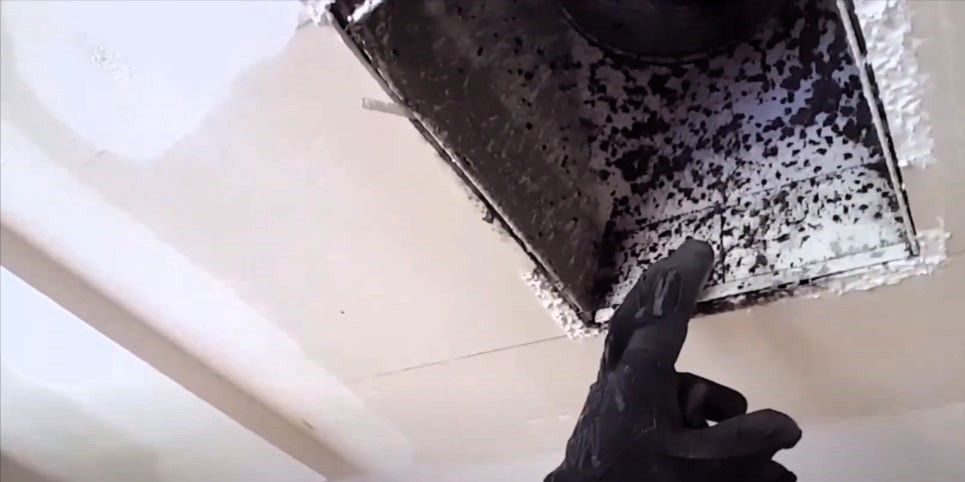
- Sight: Look for dark streaks or patches around your vents. Black “dust” that doesn’t wipe off easily could be mold.
- Feel: If your allergies or breathing get worse when the HVAC runs, that’s another sign spores might be circulating.
- Moisture: Check your ducts—especially in basements, attics, or crawl spaces. Condensation or damp spots often mean mold isn’t far behind.
How to Fight Mold and Keep Your Air Clean
The first step is to tackle the moisture head-on—mold simply can’t thrive without it. Patch up any leaks, use a dehumidifier to keep the air dry, and double-check that your ducts are well-sealed and properly insulated.
Next, bring in the pros. Mold deep inside ducts isn’t something you can safely handle on your own. If you’re in the Grand Rapids area, Grand Rapids Duct Cleaners have the tools and experience to get your system thoroughly cleaned and prevent mold from coming back.
After cleaning, stay ahead of the problem with regular maintenance:
- Replace filters every 1–3 months
- Keep vents dust-free
- Check for moisture buildup during seasonal HVAC tune-ups
The Bottom Line
The most common molds hiding in your air ducts include Aspergillus, Alternaria, Acremonium, Chaetomium, Fusarium, Mucor, Stachybotrys, Trichoderma, and Ulocladium. Each of these molds loves hidden, damp corners and can sneakily compromise the air you and your family breathe.
The good news? With early detection, moisture control, and professional cleaning, you can stop mold in its tracks.
If you suspect mold in your ducts, don’t wait—reach out to Grand Rapids Duct Cleaners. Their experts will inspect, clean, and help keep your home’s air fresh, safe, and easy to breathe again.

Grand Rapids Duct Cleaners
You might also like