The Environmental Impact of Disposable vs. Reusable Air Filters
How your choice of air filter affects the environment and your HVAC system
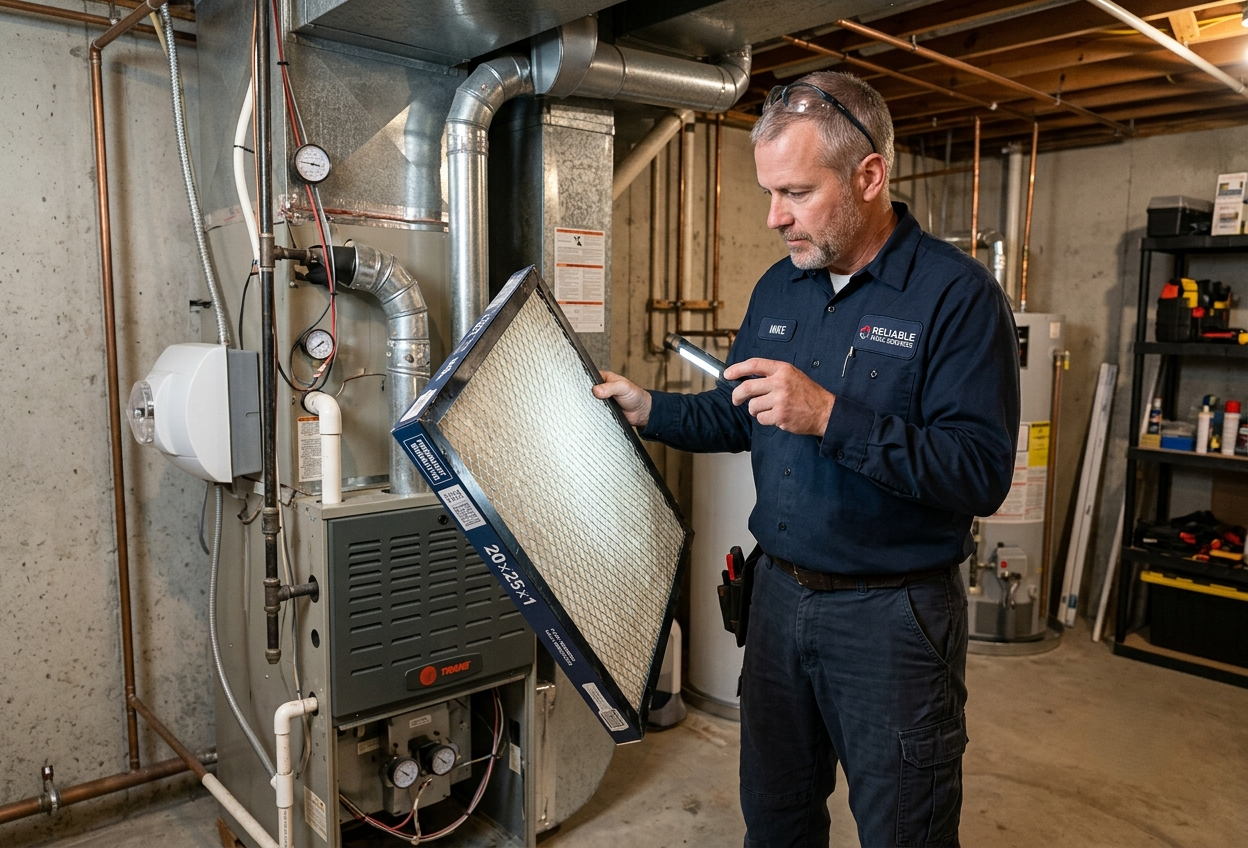
Every few months, millions of homeowners across the country pull a dirty air filter out of their HVAC system, toss it in the trash, and slide in a fresh one — without giving it a second thought. It's a routine chore, easy and forgettable. But those discarded filters add up to an enormous environmental problem. If you're a homeowner in Grand Rapids, understanding the difference between disposable and reusable air filters could help you make a smarter, greener choice for your home and your community.
What's Actually in Your Air Filter?
Most disposable air filters are made from fiberglass or polyester fibers stretched over a cardboard frame. They’re intended for single use and disposal, usually within a timeframe of one to three months. That might not sound like much, but over ten years, a single household can go through 40 to 120 filters. Multiply that across thousands of Grand Rapids homes, and you're looking at a serious amount of waste heading to Michigan landfills every year.
The problem doesn't stop at disposal. Every disposable filter has to be manufactured, packaged, and shipped — all of which consume energy and raw materials. And because most filters are made from a mix of materials that can't be separated, they're nearly impossible to recycle. They end up in the trash without fail.
Are Reusable Filters a More Eco-Friendly Option?
Washable or electrostatic reusable filters are built to last anywhere from five to ten years. Instead of replacing them, you remove, rinse, dry, and reinstall them. Over a decade, that's one filter instead of dozens — a dramatic reduction in landfill waste and manufacturing demand.
That said, reusable filters aren't perfect. Cleaning them requires water, and if not dried completely before reinstalling, they can contribute to mold growth in your system. They also tend to have lower MERV ratings than high-quality disposable pleated filters, which means they may capture fewer fine particles. Choosing reusable is a meaningful environmental step, but it works best when paired with consistent maintenance habits.
The Numbers Tell the Story
Over ten years, a Grand Rapids homeowner replacing disposable filters every two months generates roughly 60 used filters — each one headed to the landfill. A homeowner using a single reusable filter over the same period generates one. The carbon footprint of producing, shipping, and disposing of 60 filters versus maintaining one is significant, even accounting for the water used in cleaning.
There's another environmental angle that often gets overlooked: energy efficiency. When a filter is blocked or not working efficiently, your HVAC system has to put in extra effort, using more energy and increasing its environmental impact. Michigan winters are long and cold, which means Grand Rapids heating systems run hard from October through April. Keeping your filtration system performing well — whatever type you use — directly reduces your home's energy consumption.
Practical Homeowner Tips for Grand Rapids Homeowners
You don’t need a complete HVAC upgrade to have an impact. Try these easy steps to lower the environmental impact of your air filter:
- Switch to a reusable filter if your system supports it and you're comfortable with regular cleaning
- Choose high-quality pleated disposables with a longer replacement cycle (every 90 days) rather than cheap filters changed monthly
- Check your MERV rating — a filter that's too restrictive strains your system and wastes energy
- Bag used filters before disposal to prevent dust and particles from re-entering the air
- Keep your ductwork clean so your filter isn't working overtime against built-up debris
Clean Ducts Make Every Filter Work Better
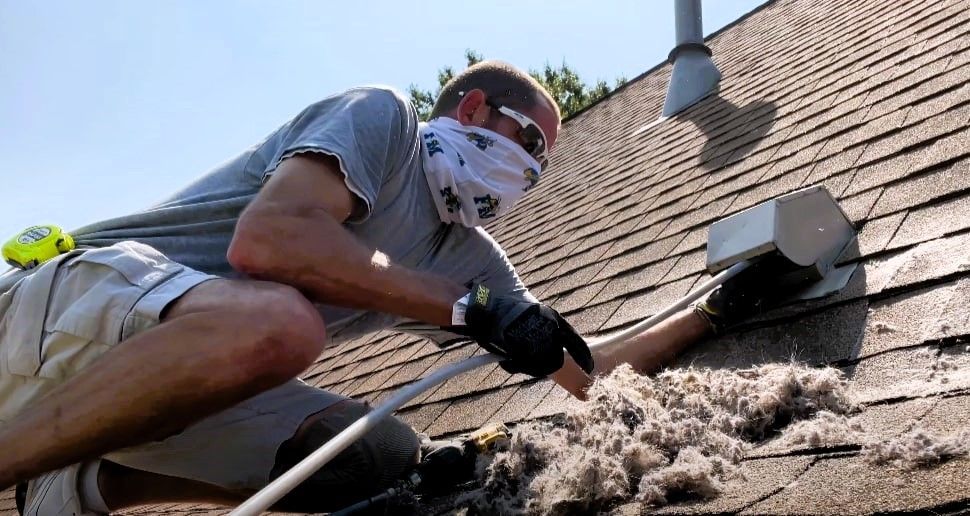
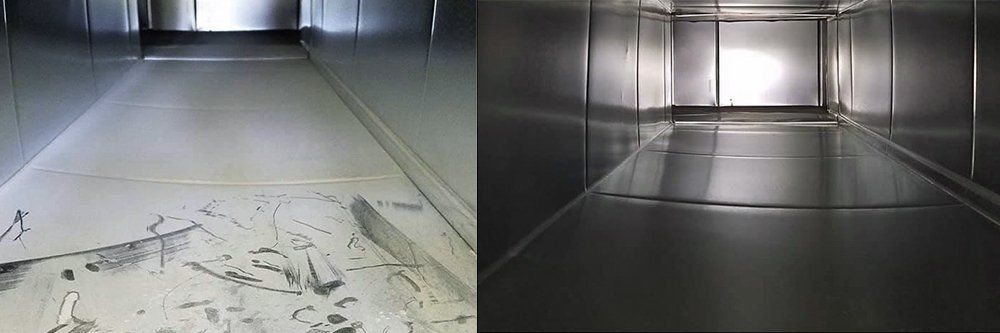
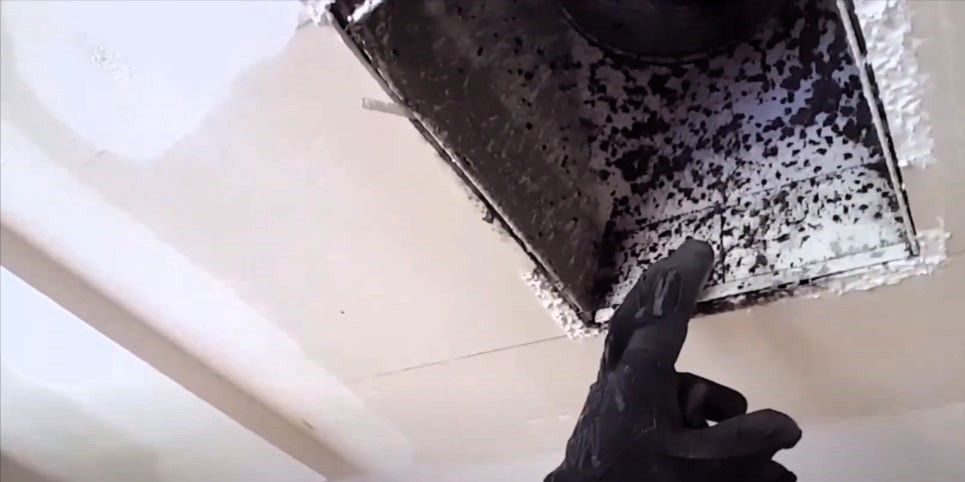
Here's something most homeowners don't realize: even the best air filter can only do so much if your duct system is caked with years of dust, debris, and buildup. Dirty ducts force your HVAC to work harder, shorten filter life, and push contaminants back into your living spaces — defeating the purpose of filtration entirely.
Whether you choose disposable or reusable filters, the foundation of a truly efficient, eco-friendly HVAC system starts with clean ducts. Grand Rapids Duct Cleaners helps homeowners throughout the Grand Rapids area improve their indoor air quality and reduce energy waste with professional duct cleaning services. If it's been a while since your last duct inspection, now is a great time to schedule one.
The Bottom Line
The choice between disposable and reusable air filters might seem small, but across the lifetime of your home, it has a real environmental impact. Reusable filters help reduce waste and lower the demand for manufacturing new products. Disposables, when chosen wisely and changed on schedule, can still be managed responsibly. Either way, pairing good filtration habits with clean, well-maintained ductwork is the most effective thing Grand Rapids homeowners can do for both their indoor air quality and the environment.
Even minor improvements around your home can make a big difference, and your HVAC system is one of the best places to begin.
Schedule a duct inspection with Grand Rapids Duct Cleaners today.

Grand Rapids Duct Cleaners
You might also like