Understanding the Most Common Causes of Poor Indoor Air Quality and How to Improve It
Learn the causes of poor indoor air quality and how to improve it.

Do you ever wonder why you or your family members experience health issues such as coughing, skin irritations, airway infections, headaches, or dizziness? The answer might lie in the quality of the air you breathe indoors. Poor indoor air quality can have a significant impact on your health and well-being. In this article, we will explore the most common causes of subpar air quality and provide practical steps you can take to reduce indoor air pollutants and improve the air inside your home.
Construction-Related Products:
In older buildings, one of the most dangerous causes of poor indoor air quality is asbestos. This hazardous material requires specialized services to remove it safely and protect your home. Another construction-related pollutant is radon, which can lower air quality. Regularly ventilating areas prone to radon buildup can help reduce its accumulation and improve the air you breathe.
Combustion-Based Pollutants:
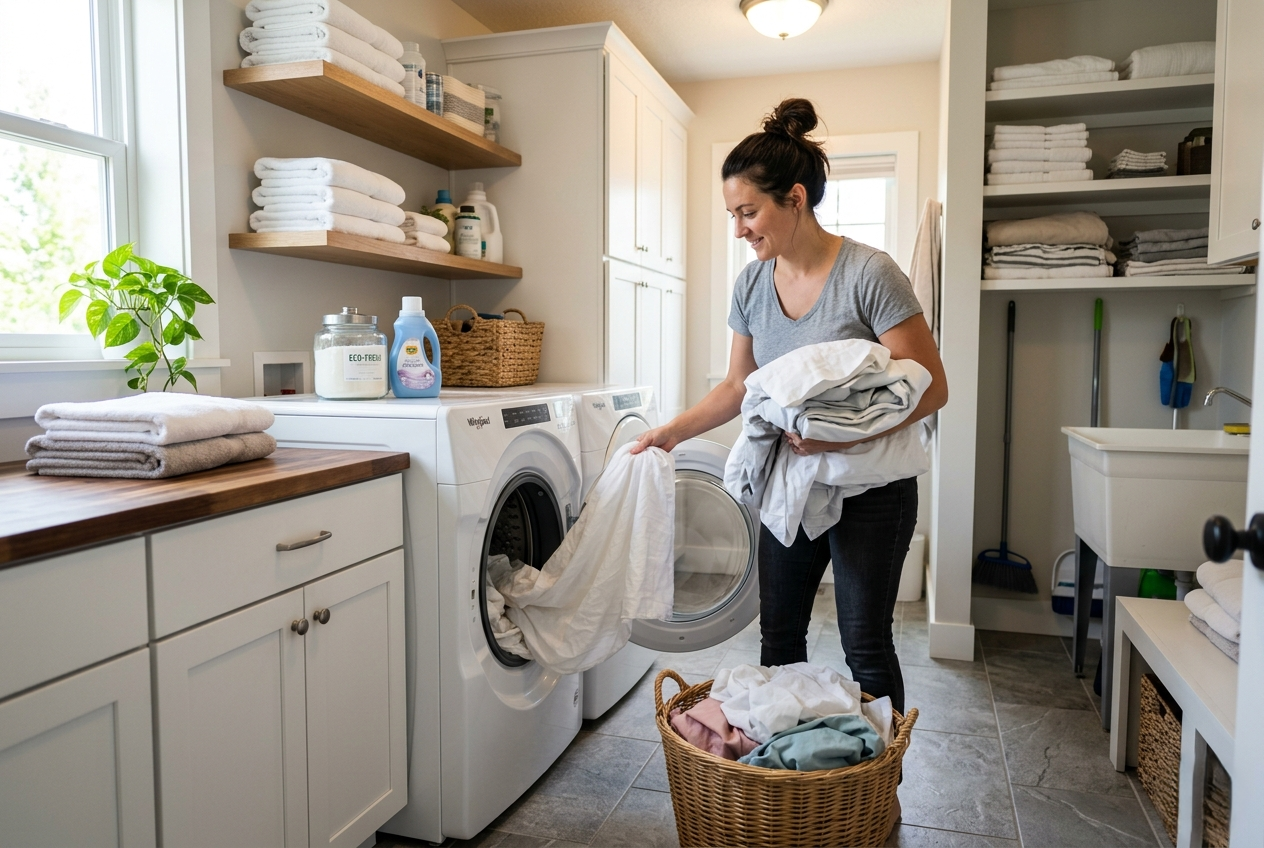
Many appliances we rely on for heating our homes or drying items use combustion, which can contribute to poor air quality through the emission of soot or carbon monoxide. Consider upgrading these appliances to more energy-efficient models that don't contribute to air pollution, ensuring cleaner and healthier indoor air.
Furnishing-Related Pollutants:
Surprisingly, many furnishings and household items can be sources of indoor air pollution. Chemicals like polychlorinated biphenyl (PCB), polybrominated biphenyl (PBB), polyurethane, and formaldehyde, commonly found in items containing plastic or plastic foam, can affect air quality. Even products like computers and certain types of flooring can release these pollutants. Opt for eco-friendly products that don't contain harsh chemicals to minimize indoor air pollution.
Smoking Residue:
Smoking not only creates an unpleasant haze but also releases harmful substances that contribute to poor indoor air quality. Nicotine and other chemicals produced from burning tobacco can significantly impact the air you breathe. By eliminating indoor smoking in and around your home, you can instantly improve your indoor air quality and protect your health.
Natural Pollutants:
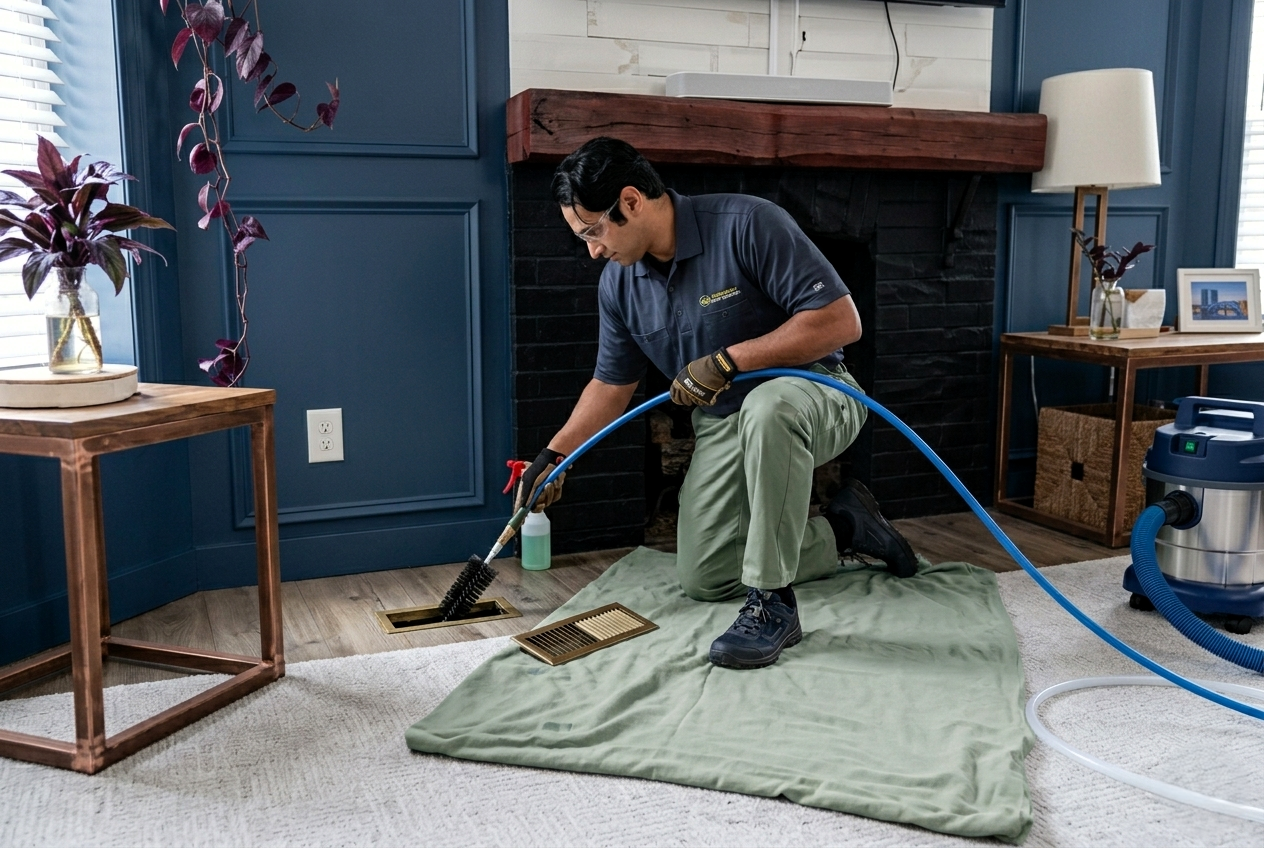
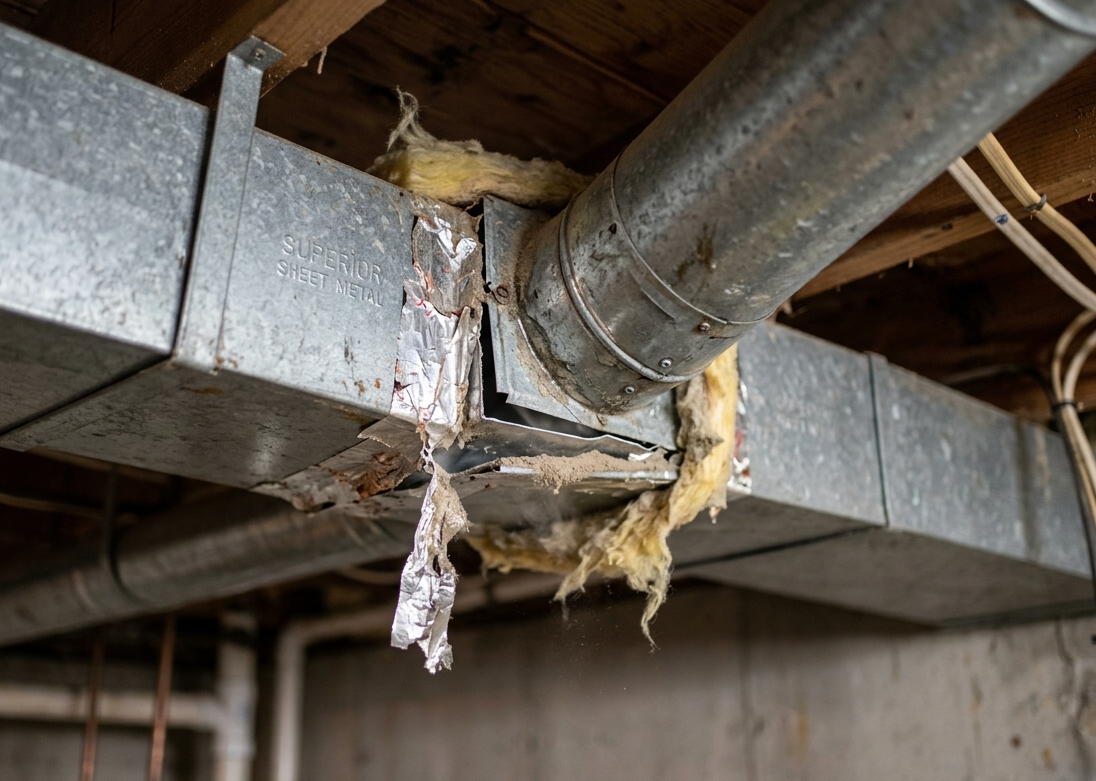
Mold, mildew, pet hair, dander, dead skin cells, insect and pest debris, and dust mites are common natural pollutants found in homes. These substances tend to accumulate in hidden nooks and crannies, including inside your HVAC ventilation system. Regular cleaning and maintenance of your home, as well as scheduling HVAC maintenance appointments, will help reduce these unwanted pollutants.
Household Products:
Many household products such as cleaning agents and artificial fragrances contain irritating substances that can harm the air quality in your home. Opt for eco-friendly alternatives that don't contain harsh chemicals to minimize exposure to these headache-inducing pollutants. Your health will thank you for making this simple switch.
Pesticides:
Even when using toxic pesticides outdoors, traces of these chemicals can make their way into your home. Once inside, they become part of your closed air system, affecting every area the system serves. Minimize the impact of pesticides by using protective gear during application and ensuring proper disposal to avoid introducing them into your indoor environment.
Poor Ventilation:
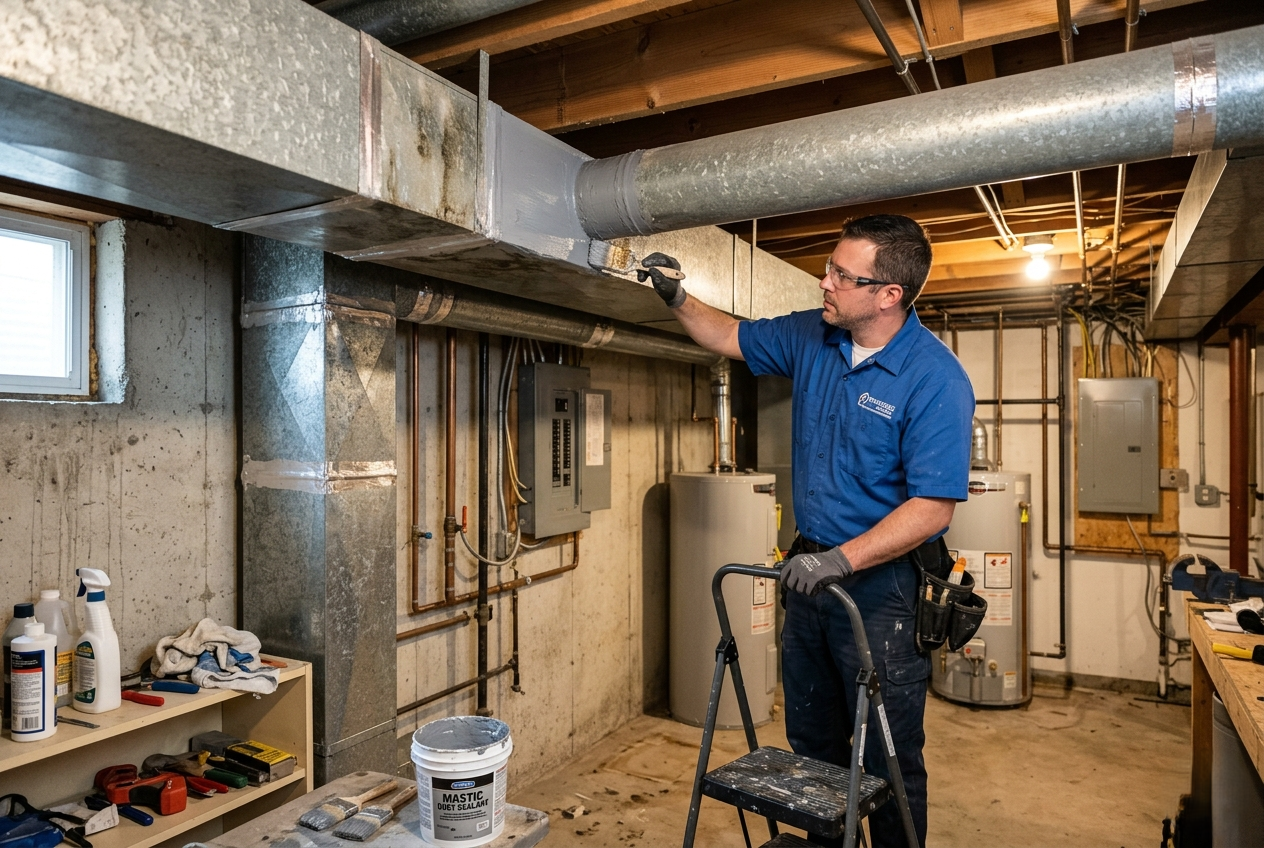
A blocked or failing ventilation system can hinder the flow of fresh air into your home and the removal of stale, polluted air. This can have a significant impact on indoor air quality. Consider periodically opening a few windows throughout the year to improve ventilation. Contrary to common belief, outdoor air is often less polluted than indoor air contaminated by the causes mentioned above.
Reduce Air Contaminants with Professional HVAC Services:
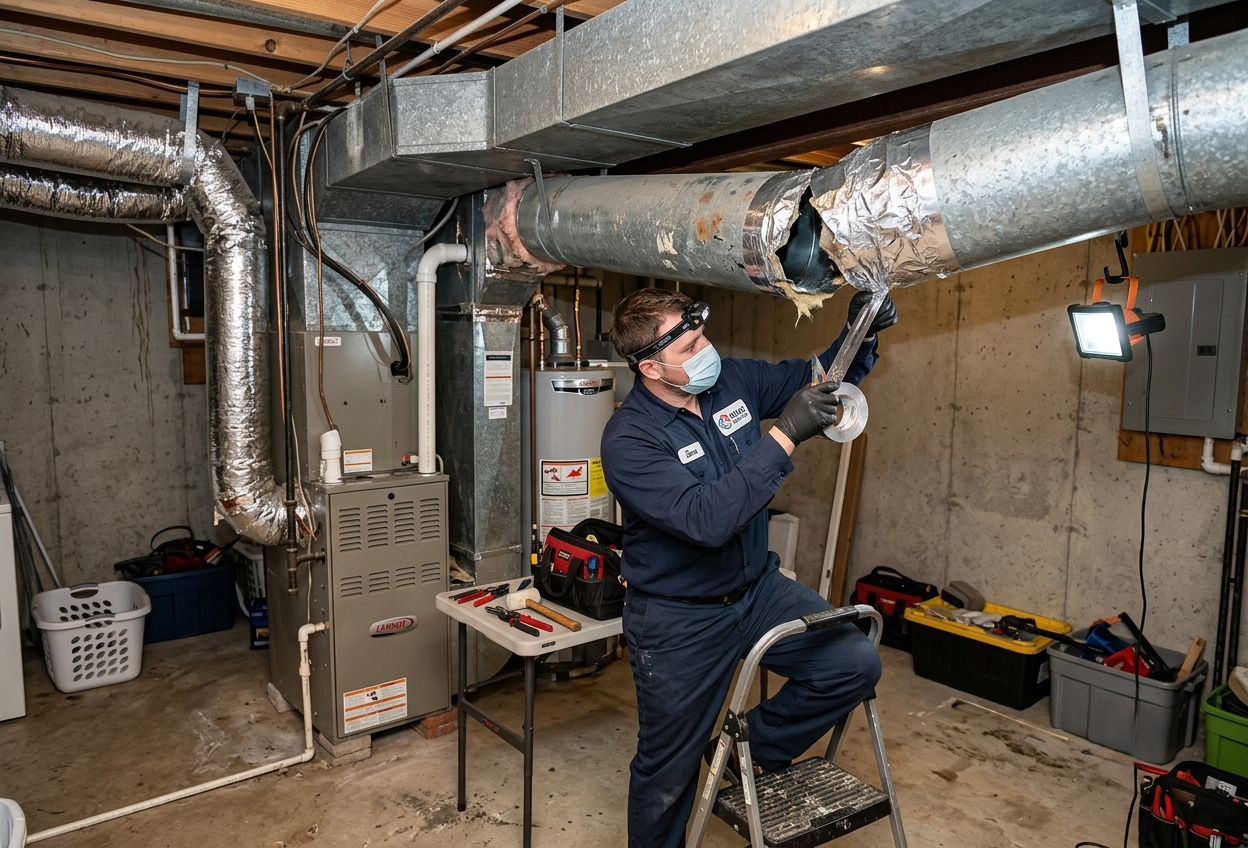
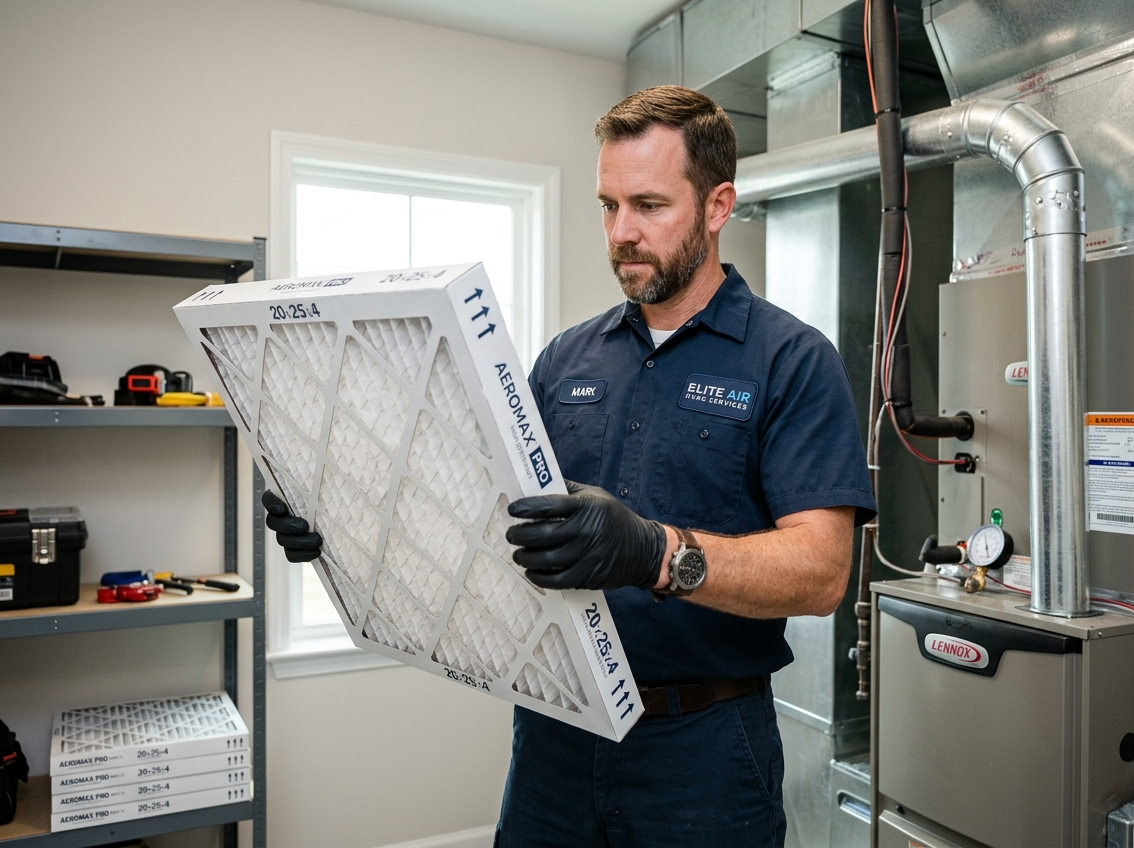
To proactively address areas with poor air quality in your home, seek the assistance of professional HVAC services. These experts can help you make small changes to reduce indoor air pollution and improve air quality. Consider installing humidity control appliances, scheduling regular HVAC maintenance, purchasing an air purifier, and implementing advanced air filtration systems to achieve cleaner and healthier indoor air.
By understanding the most common causes of poor indoor air quality and taking steps to address them, you can significantly improve the air you breathe at home. From removing construction-related pollutants to eliminating smoking residue and using eco-friendly products, there are various measures you can take to ensure a healthier indoor environment. Remember, professional HVAC services are available to guide you through the process and provide the expertise needed to create a safer and cleaner living space. Take action today and breathe easier tomorrow!
You might also like