How to Prevent a Dryer Fire: 10 Essential Safety Tips
Essential tips to prevent dryer fires & ensure a safer environment
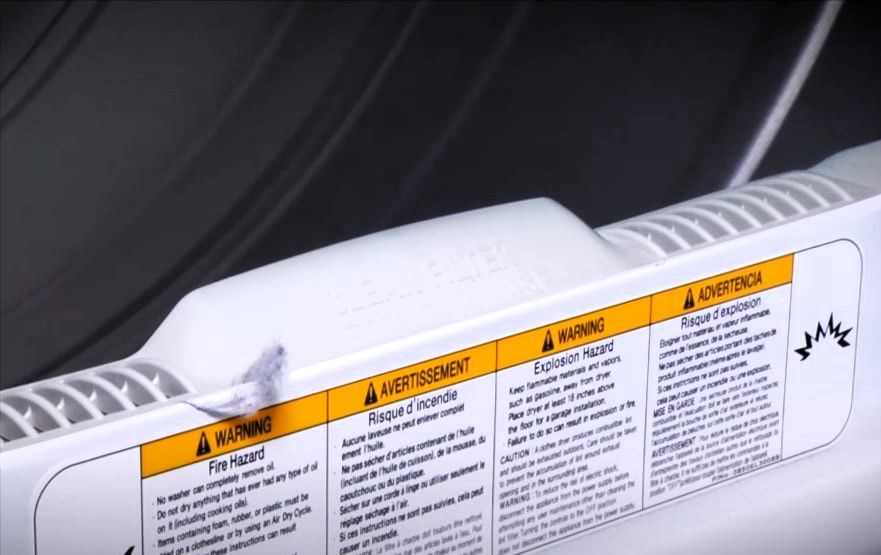
Your clothes dryer produces heat, moves large amounts of air and generates lint every time you use it.
Usually, that combination works exactly as intended: moist air travels through the exhaust system and exits outside your home.
Problems can develop when airflow becomes restricted or lint accumulates where it shouldn't.
According to the U.S. Fire Administration, failure to clean was the leading factor contributing to the ignition of home clothes-dryer fires from 2018–2020, accounting for 31% of contributing factors.
Fortunately, many of the steps you can take to reduce dryer-fire risk are simple maintenance habits.
Here's what homeowners should know.
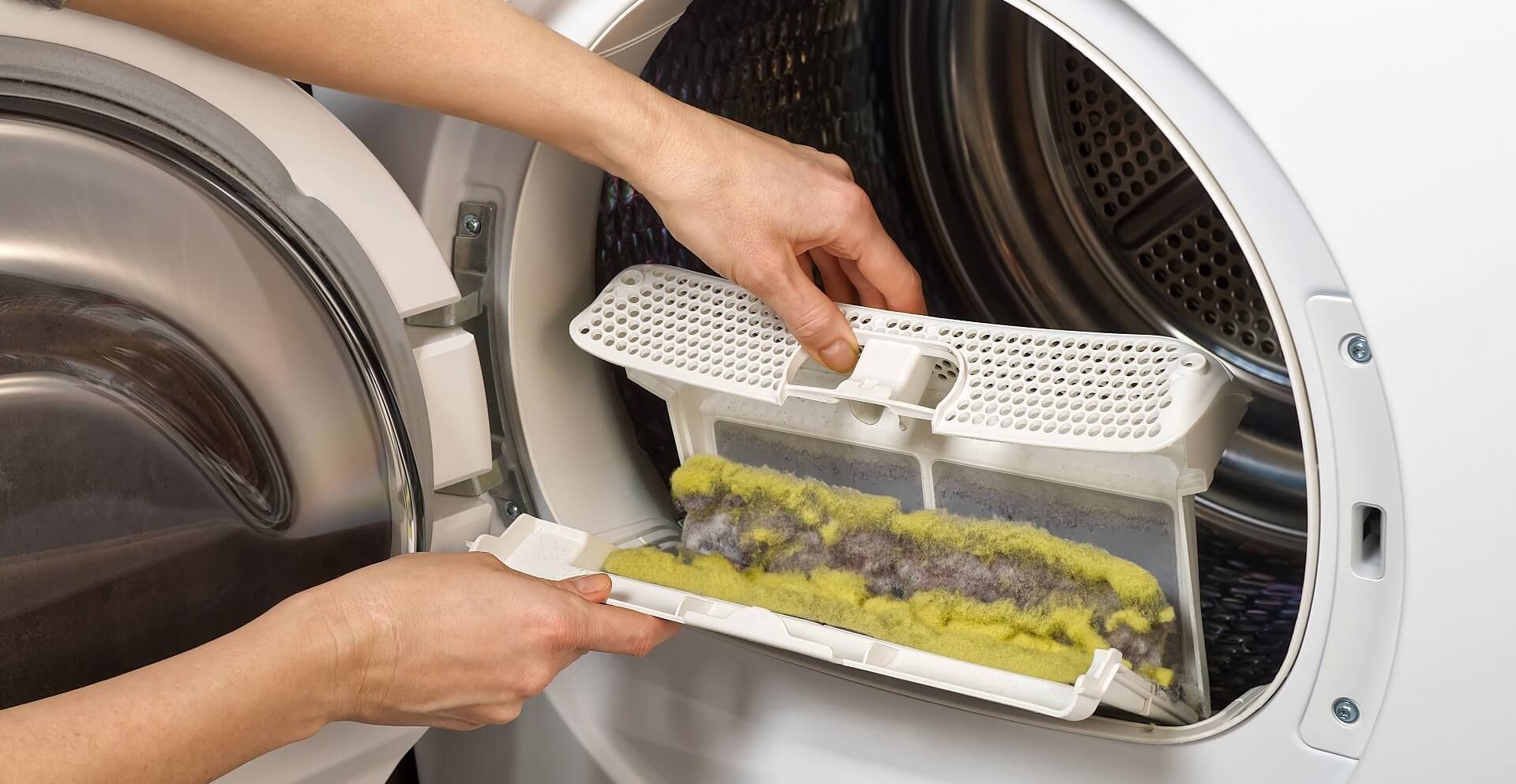
1. Clean the Lint Screen Every Load
This is the easiest—and most frequent—dryer maintenance you should perform.
Remove accumulated lint from the lint screen before or after every load.
Don't wait until the screen is completely covered.
A clogged lint screen restricts airflow through the dryer. Some lint also gets past the screen during normal use, which is why cleaning the screen doesn't eliminate the need to maintain the rest of the exhaust system.
Never operate your dryer without its lint filter installed.
2. Clean the Dryer Vent Regularly
The lint screen doesn't capture everything.
Over time, lint can accumulate inside the exhaust duct that carries air from your dryer to the outside of your house.
As buildup increases, airflow can become restricted.
The U.S. Fire Administration recommends cleaning dryer vent ductwork every year.
Some vents may require attention sooner, particularly if they are long, contain several bends or are showing signs of restricted airflow.
If your vent is short and easily accessible, you may be able to clean it yourself.
[LEARN HOW TO CLEAN A DRYER VENT YOURSELF →]
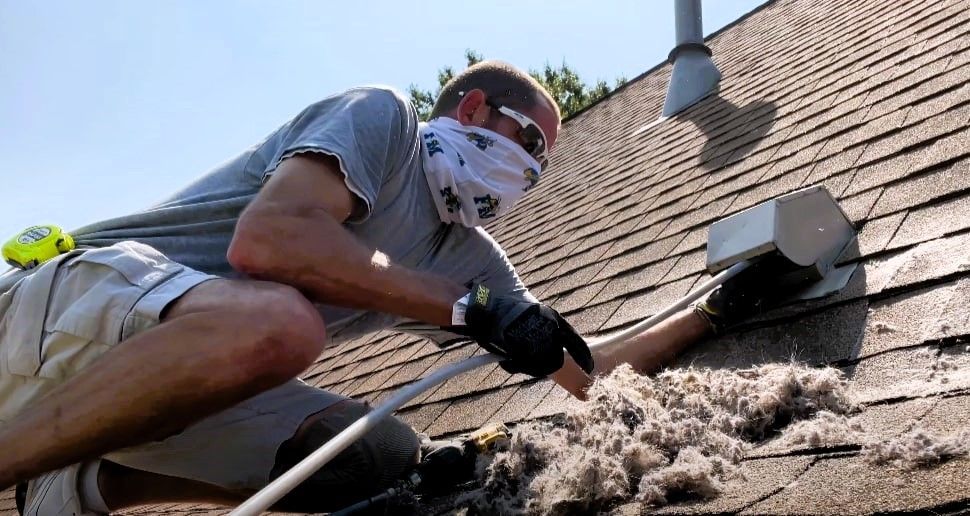
If the vent travels a long distance through the house, exits through the roof or can't be completely reached with DIY equipment, professional cleaning may be a better option.
3. Pay Attention to Longer Drying Times
Your dryer can give you clues that airflow is becoming restricted.
One of the most useful is a change in drying time.
If a load that normally dries in one cycle suddenly needs two, don't just keep running the dryer longer.
Check the lint screen and exhaust system.
Other warning signs can include:
- Clothes unusually hot at the end of a cycle
- The dryer becoming unusually hot
- Weak airflow at the exterior vent
- The outside vent flap failing to open properly
- A vent or airflow warning on the dryer
- A hot or burning smell
Restricted airflow isn't the only possible cause of poor dryer performance, but it's one worth investigating.
4. Check the Outside Dryer Vent
While your dryer is running, find the exterior exhaust opening.
The exterior damper or flap should open and allow exhaust air to escape.
Look for:
- Weak or absent airflow
- Lint buildup
- A flap that doesn't open
- Animal or insect nests
- Other debris obstructing the opening
Don't install a screen over the dryer exhaust opening.
Although a screen might seem like a good way to keep pests out, it can collect lint and eventually restrict the exhaust.
5. Make Sure the Vent Isn't Crushed or Kinked
Look behind your dryer.
The exhaust duct shouldn't be crushed between the dryer and wall, sharply kinked or partially disconnected.
Even a clean vent can't move air properly if the duct itself is restricted.
This is particularly worth checking after the dryer has been moved for cleaning, repairs or renovations.
When returning the dryer to its normal position, leave enough room for the exhaust connection rather than pushing the appliance tightly against the duct.
6. Use the Right Dryer Vent Material
Not every type of duct is appropriate for a clothes dryer.
The U.S. Consumer Product Safety Commission recommends replacing plastic or foil accordion-style ducting with rigid or corrugated semi-rigid metal ducting.
Why?
Flexible plastic and foil materials can trap lint more easily and are more susceptible to being kinked or crushed, reducing airflow.
If you have older plastic or foil accordion-style duct behind your dryer, consider having it replaced with appropriate dryer exhaust material.
Follow your dryer manufacturer's installation instructions and applicable building requirements when installing or replacing venting.
7. Keep the Area Around and Behind the Dryer Clean
Lint doesn't accumulate only inside the vent.
It can also collect:
- Behind the dryer
- Under the dryer
- Around the exhaust connection
- Inside accessible areas around the lint trap
Periodically move the dryer safely and clean the surrounding area.
Lint can also accumulate inside the dryer chassis where homeowners can't easily reach it. The Consumer Product Safety Commission recommends having the interior of the dryer chassis cleaned periodically by a qualified service person.
8. Plug the Dryer Directly Into a Wall Outlet
A clothes dryer is a major appliance.
The U.S. Fire Administration recommends plugging major appliances such as washers and dryers directly into a wall outlet rather than using an extension cord.
Extension cords can overheat and create a fire hazard.
You should also pay attention to the condition of the dryer cord and outlet.
Stop using the appliance and have the problem evaluated if you notice signs such as:
- A damaged power cord
- A loose plug or outlet
- Scorching or discoloration around the outlet
- Unusual heat around the plug
- An electrical or burning smell
Electrical problems aren't something to troubleshoot by repeatedly resetting breakers or continuing to operate the appliance.
9. Be Careful With Clothing Contaminated by Oils or Flammable Substances
Some laundry needs special treatment.
The Consumer Product Safety Commission advises taking particular care with clothing or fabrics contaminated with substances such as:
- Gasoline
- Cooking oil
- Cleaning agents
- Finishing oils
- Stains or similar volatile chemicals
Wash contaminated items thoroughly according to their care instructions.
When possible, items contaminated with volatile chemicals should be allowed to air dry rather than being placed in a dryer.
If a dryer is used for appropriate items that have been thoroughly washed, CPSC advises using the lowest heat setting and a cycle with a cool-down period.
Always follow the garment and appliance manufacturer's instructions.
10. Don't Ignore a Burning Smell
A burning smell from your dryer isn't normal.
Stop using the dryer and investigate the cause.
Don't assume that cleaning the lint screen makes it safe to continue operating.
The problem could involve:
- Lint buildup
- Restricted exhaust airflow
- An overheated component
- An electrical problem
- Something caught inside the appliance
- Another mechanical problem
If you can't identify the cause safely, have the dryer and vent system inspected before using the appliance again.
What Are the Warning Signs of a Clogged Dryer Vent?
A dryer vent usually doesn't become completely blocked overnight.
Performance may gradually change as airflow becomes more restricted.
Watch for:
Clothes Taking Longer to Dry
This is one of the clearest signs that something may be interfering with airflow.
Clothes Coming Out Extremely Hot
Some warmth is normal. Clothes that seem unusually hot can indicate that heat isn't escaping efficiently.
The Dryer Feels Unusually Hot
Excessive heat around the appliance deserves attention.
Weak Airflow Outside
Run the dryer and check the exterior vent.
The flap should open and you should be able to detect exhaust airflow.
Lint Around the Exterior Vent
Visible lint accumulation around the termination can indicate lint is traveling through—and potentially accumulating within—the exhaust system.
An Airflow Warning
Some modern dryers can detect restricted exhaust airflow.
Don't repeatedly dismiss the warning without investigating why it's occurring.
A Hot or Burning Smell
Stop the dryer rather than allowing the cycle to finish.
A burning smell needs to be investigated before the appliance is used again.
Can a Clogged Dryer Vent Really Cause a Fire?
Yes.
Lint is combustible, and restricting the dryer's exhaust airflow can contribute to excessive heat buildup.
The U.S. Consumer Product Safety Commission specifically warns that lint accumulation in a dryer or exhaust duct can block airflow and contribute to conditions in which a fire can occur.
That's why dryer-fire prevention isn't about one single task.
You're trying to maintain the entire path:
Dryer → lint filter → exhaust connection → ductwork → exterior vent
Air needs to move through that path and safely leave the house.
How Often Should a Dryer Vent Be Cleaned?
A useful baseline is once a year.
That's the recommendation from the U.S. Fire Administration.
But don't treat twelve months as a guarantee that your vent is fine.
How quickly lint accumulates depends on things such as:
- How frequently you use the dryer
- The length of the exhaust duct
- The number of bends
- How well the duct was installed
- Whether the vent has been crushed or damaged
- How effectively the dryer is exhausting outside
If drying performance changes before a year has passed, inspect the vent rather than waiting for the calendar.
Should You Leave the Dryer Running When You Leave the House?
The safest habit is to use the dryer when you're home and able to respond if something goes wrong.
Don't start a load immediately before leaving the house or going to bed.
If the dryer begins making an unusual sound, produces a burning smell or develops another problem, being nearby allows you to notice it quickly.
What Should You Do If Your Dryer Catches Fire?
If you see flames, heavy smoke or otherwise believe your dryer is on fire:
Get everyone out and call 911 from a safe location.
Don't open the dryer door to investigate a fire inside the appliance.
Don't put yourself at risk trying to move the dryer, disconnect the vent or fight a growing fire.
Your priority is getting people safely out of the home.
Once a dryer has been involved in a fire, don't use it again until the appliance and affected electrical, gas and venting systems have been appropriately inspected.
What About Gas Dryers?
Gas dryers require the same attention to lint and exhaust airflow as electric dryers, but they also have a gas connection and combustion system.
Don't move, disconnect or modify a gas connection unless you know how to do so safely.
If you smell gas:
- Don't operate the dryer
- Don't switch electrical equipment on or off nearby
- Leave the area
- Follow your gas utility's emergency instructions
Gas-related problems should be handled by an appropriately qualified professional.
A Simple Dryer Safety Checklist
You don't need to think about dryer fires every time you do laundry.
Build a few habits into your routine:
Every load
- Clean the lint screen
- Pay attention to unusual smells, heat or drying times\
Periodically
- Check the exterior vent while the dryer is running
- Look behind the dryer for crushed or damaged venting
- Keep the area around and behind the dryer clean
About once a year
- Clean the dryer exhaust duct from end to end
- Inspect the exhaust system for damage or restrictions
Any time performance changes
- Investigate instead of simply running longer drying cycles
Can You Clean Your Own Dryer Vent?
Often, yes.
A short vent with easy access at both ends can be a reasonable DIY maintenance project.
We've put together a complete guide explaining the tools you'll need and how to clean it safely:
[HOW TO CLEAN A DRYER VENT: STEP-BY-STEP GUIDE →]
But not every vent is easy to clean.
Long vent runs, multiple bends, roof terminations and inaccessible ductwork can make it difficult to reach and remove all of the lint with consumer cleaning equipment.
That's when professional equipment can be useful.
Professional Dryer Vent Cleaning in Grand Rapids
If you can't reach the entire vent—or you're still experiencing poor airflow after cleaning what you can reach—we can help.
Our technicians use a specialized reverse-air hose and high-powered compressed air to remove lint from dryer vent systems. For stubborn buildup, we can also use a rotating spin brush to break apart compacted material.
Dryer vent cleaning can be performed as a standalone service or combined with air duct cleaning.
Call 616-208-4445
[DRYER VENT CLEANING IN GRAND RAPIDS →]
Your Grand Rapids Duct Cleaners
Serving Grand Rapids and surrounding West Michigan communities

Grand Rapids Duct Cleaners
You might also like