Why Does My Air Vent Smell? Common HVAC & Duct Odors
You turn on the heat or air conditioning and suddenly notice a strange smell coming from the vents.
Does that mean your air ducts need to be cleaned?
Sometimes—but not necessarily.
Your HVAC system moves air throughout your home, so an odor coming through a vent doesn't automatically mean the duct itself is the source. The smell could originate in the ductwork, HVAC equipment or somewhere else in the house and simply be carried through the system.
The type of odor, when it occurs and whether it persists can provide clues about where to start looking.
Here are some of the most common smells homeowners notice from their air vents—and what they may mean.
1. Musty or Moldy Smell
A persistent musty smell is worth investigating, especially if you notice it primarily when your HVAC system runs.
Moisture is one of the first things to look for.
Possible sources include:
- Condensation
- Standing water
- A clogged or malfunctioning condensate drain
- Wet insulation
- Water leaks
- Excessive indoor humidity
- Damp or contaminated HVAC components
A musty smell by itself doesn't prove that mold is growing inside your air ducts.
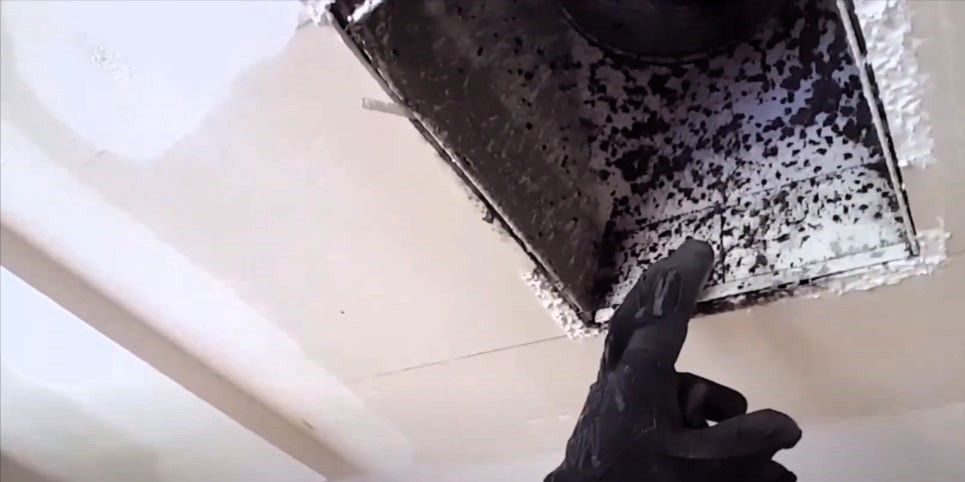
If you see suspicious growth, don't try to identify it by color alone. What looks like mold may be dirt or another substance, and determining whether biological growth is actually mold may require professional evaluation.
Most importantly, if mold is present, the moisture source needs to be identified and corrected. Cleaning contamination without correcting the conditions that allowed it to grow can allow the problem to return.
[LEARN HOW TO SPOT MOLD IN YOUR AIR DUCTS →]
2. Burning or Electrical Smell
A burning smell deserves more caution.
If you notice a strong, unusual or persistent burning odor from your vents, shut the HVAC system off and have the source investigated.
Possible causes aren't limited to the ductwork. Electrical components, motors and other HVAC equipment can produce burning odors when something is wrong.
There is one common exception that can be less alarming.
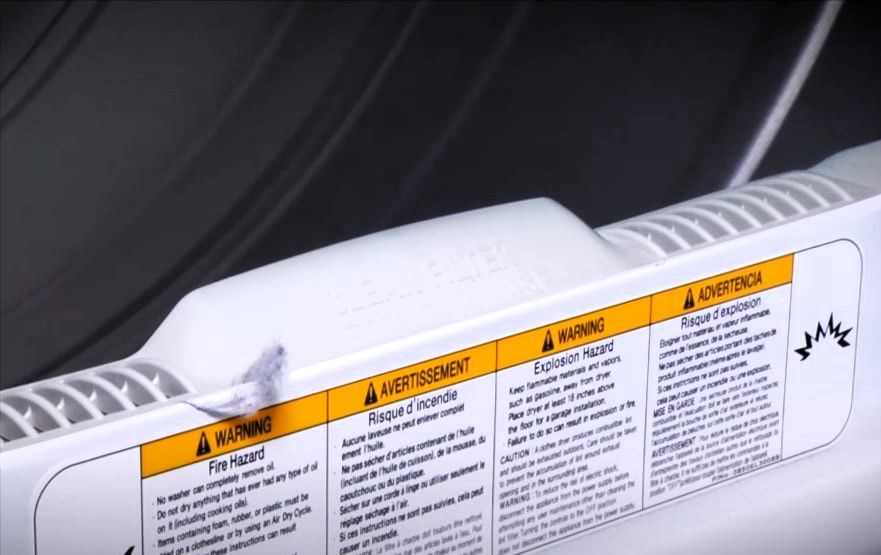
When a heating system is turned on for the first time after sitting unused for months, accumulated dust on heating components can sometimes produce a temporary dusty or burning smell.
That smell should dissipate.
A persistent burning, electrical or melting-plastic odor should not simply be attributed to “dirty ducts” or covered up with a deodorizer.
3. Cigarette or Tobacco Smoke Smell
Tobacco smoke is a particularly difficult odor because its residue doesn't necessarily stay in one place.
Smoke residue can settle on:
- Walls
- Ceilings
- Carpet
- Upholstery
- Curtains
- Cabinetry
- HVAC components
- Registers
- Duct surfaces
- Other materials throughout the home
That means air duct cleaning alone may not eliminate a persistent cigarette smell.
If smoke residue has accumulated inside accessible ductwork, cleaning those surfaces may remove one source of contamination. But odors can remain if residue is also present throughout the rest of the home.
For a home with significant tobacco contamination, think of the HVAC system as one part of a larger odor problem, not necessarily the entire source.
4. Dead Animal or Pest Odor
A strong rotten or decaying smell can sometimes indicate an animal or pest problem.
Rodents and other pests may enter:
- Ductwork
- Attics
- Crawlspaces
- Wall cavities
- Areas around HVAC equipment
If an animal has died somewhere in or near the HVAC system, circulating air may carry the odor throughout the house.
The first priority is finding and removing the source.
If pests have contaminated the ductwork, the system may also need to be evaluated after the infestation itself has been addressed.
Duct cleaning isn't a substitute for pest control or for repairing openings that allow pests to enter.
5. Sewage or Rotten-Egg Smell
Don't assume a sewage-like smell is coming from dirty air ducts.
Plumbing problems, dry drain traps and sewer-gas issues can create odors that seem to come through HVAC vents because air movement distributes them throughout the house.
A rotten-egg smell also deserves special caution because natural gas is intentionally odorized so leaks can be detected.
If you suspect a gas leak, leave the area and contact your gas utility or emergency services from a safe location. Don't try to diagnose the problem by inspecting or cleaning your ductwork.
6. Chemical or Solvent Smell
Paint, cleaning products, adhesives, pesticides and other chemicals can release odors or vapors into indoor air.
Your HVAC system can then distribute those odors throughout the house.
If the smell appeared after:
- Painting
- Remodeling
- New flooring
- Furniture installation
- Cleaning
- Pest treatment
- Using solvents or other chemicals
the source may have nothing to do with contamination inside the ductwork.
Ventilation and dealing with the actual source are generally more important than trying to deodorize the ducts.
If the odor is strong, unexplained or causes physical symptoms, leave the affected area and seek appropriate professional guidance.
7. Dusty Smell
A dusty odor doesn't automatically mean your ducts need professional cleaning.
Check simple potential causes first:
- Is the HVAC filter overdue for replacement?
- Is the filter installed correctly?
- Are registers or return grilles visibly dusty?
- Has the heating system just been turned on after months of inactivity?
- Has construction or renovation recently created unusually large amounts of dust?
Ordinary household dust is normal.
EPA does not recommend routine air duct cleaning simply because some dust is present inside a duct system.
Professional cleaning becomes more relevant when there is substantial accumulated debris or another specific contamination problem.
Why Does the Smell Seem to Come From the Vent?
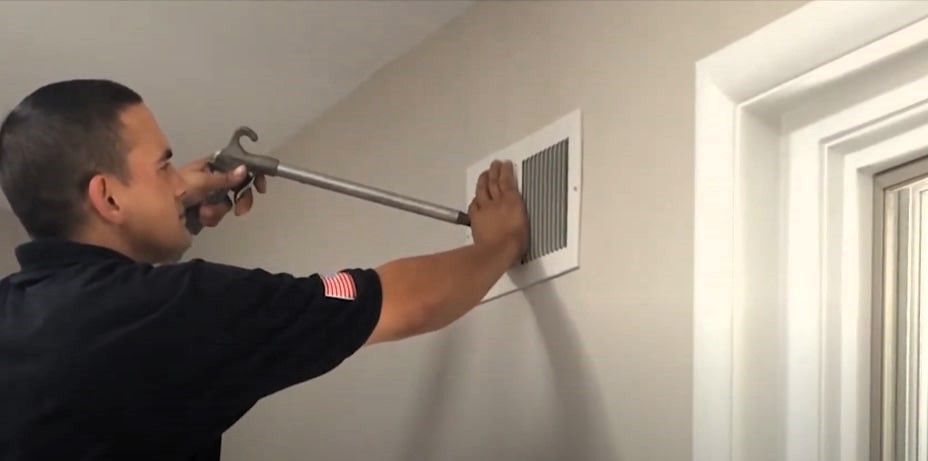
Your HVAC system moves large volumes of air through your home.
That makes vents an obvious place to notice odors even when the source is elsewhere.
For example, an odor originating near a return-air intake may be pulled into the HVAC system and distributed to multiple rooms.
So when diagnosing an HVAC odor, ask:
Does the odor originate inside the system—or is the system simply moving it?
That distinction matters.
Cleaning the ductwork won't solve a plumbing leak, electrical problem, dead animal in a wall, moisture problem elsewhere in the home or smoke residue covering other surfaces.
Will Air Duct Cleaning Get Rid of Odors?
It depends on what's causing the odor.
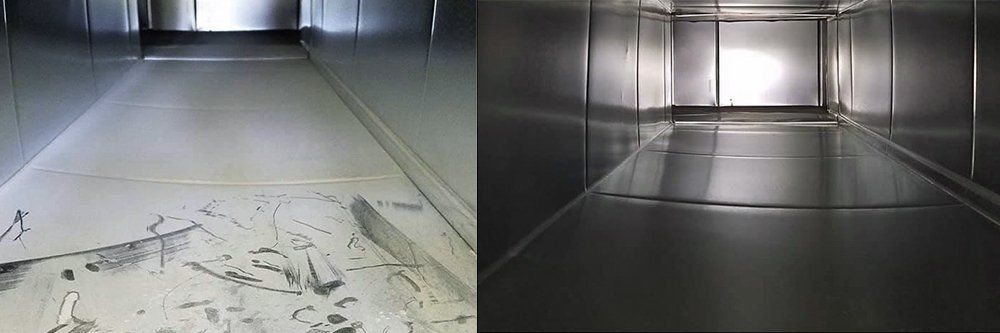
Professional duct cleaning physically removes accumulated material from duct surfaces and other HVAC components included in the cleaning.
If that material is contributing to an odor, removing it may help.
But duct cleaning should not be presented as a universal odor-removal treatment.
For example:
Duct cleaning may be relevant when:
- Substantial debris has accumulated inside the ducts
- Pest contamination has affected duct surfaces after the pest problem is addressed
- Smoke residue or other contamination is actually present in the ductwork
- Appropriate HVAC surfaces contain contamination that can be physically removed
Duct cleaning won't fix:
- Plumbing problems
- Gas leaks
- Electrical failures
- Active pest infestations
- Water leaks
- Excessive humidity
- Moisture sources that haven't been corrected
- Smoke residue throughout the rest of the home
The source of the odor needs to be addressed first.
What About Duct Deodorizers and Sanitizers?
Be cautious about treating an unexplained odor by simply spraying or fogging a chemical into the duct system.
A fragrance can mask an odor without correcting its cause.
Likewise, a sanitizer isn't a substitute for physically removing contamination or correcting moisture, pest or other underlying problems.
If a contractor recommends applying a chemical product inside your HVAC system, ask:
- What is the exact product?
- What problem is it intended to solve?
- Where will it be applied?
- Is it labeled for use in HVAC systems and on your particular duct material?
- What contamination is being treated?
- Can that contamination be physically removed instead?
- Has the source of the odor been identified?
EPA requires antimicrobial pesticides to be used according to their approved labeling. A product shouldn't simply be applied throughout an HVAC system because “sanitizing” or “deodorizing” sounds like a useful addition to duct cleaning.
How to Track Down an HVAC Odor
Before deciding you need duct cleaning, gather some basic information.
When do you smell it?
Does the odor appear only when the heat runs? Only with the air conditioner? Constantly?
Where is it strongest?
One vent, one room or throughout the entire house?
Did anything recently change?
Consider renovations, water leaks, pest problems, new furniture, painting, cleaning products or the start of heating season.
Is there visible contamination?
Look at accessible registers, grilles and HVAC components without dismantling equipment you aren't qualified to service.
Is there moisture?
Look for condensation, standing water, leaks and wet materials.
Is the smell potentially dangerous?
Electrical, burning, gas and strong chemical odors deserve more immediate attention than an ordinary dusty smell.
Identifying the source is more useful than trying to cover up the symptom.
When Does Professional Air Duct Cleaning Make Sense?
EPA recommends considering professional duct cleaning under certain circumstances, including substantial visible mold growth inside hard-surface ducts, ducts infested with vermin, or ducts clogged with excessive amounts of dust and debris that are actually releasing particles into the home.
Those are much more meaningful indicators than odor alone.
If your ducts contain substantial accumulated debris or contamination that can appropriately be removed, professional duct cleaning may be part of the solution.
But a reputable company should be willing to tell you when the problem appears to be something else.
Air Duct Cleaning in Grand Rapids
We have been cleaning air ducts throughout Grand Rapids and West Michigan for more than 20 years.
Our professional cleaning process uses powerful vacuum equipment and agitation tools to clean the supply and return sides of the system, individual duct runs, main trunks, plenums and accessible HVAC components included in the service.
We also provide before-and-after photos so you can see what was actually removed from your system.
If you're noticing an unusual odor and wondering whether contaminated ductwork could be contributing to it, give us a call. We'll help you determine whether professional duct cleaning makes sense for your situation.
[AIR DUCT CLEANING IN GRAND RAPIDS →]
Your Grand Rapids Duct Cleaners

Grand Rapids Duct Cleaners
You might also like